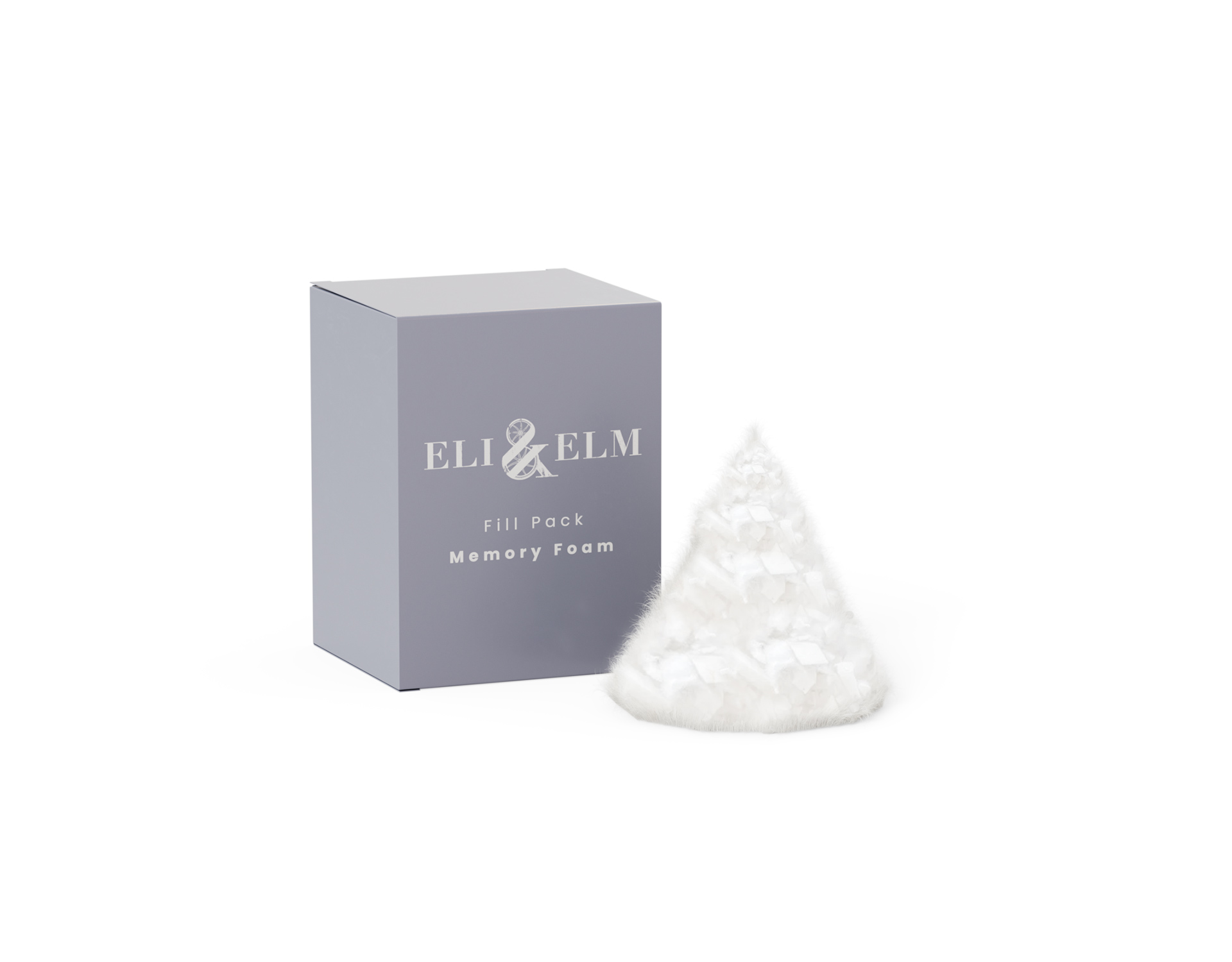


The type of filler in your pillow can greatly impact your sleep quality, neck position, temperature, and longevity. There are many types of pillow fillings on the market today. Knowing the benefits and limitations of each filling will help you find the right pillow to prevent sleepless nights, stiff necks, and early replacement.
This guide will show you the top ten pillow fillings, analyze the pros and cons of each of these options, and aid you in finding the right pillow for your sleep position, comfort level, and lifestyle choices.
A Good Pillow Filling Equals Quality Sleep: But Why?
- It makes sure that your head and neck get the support they require while sleeping in your preferred position.
- Good quality filling releases pressure points and reduces morning pains.
- High-quality filling materials maintain the shape of the pillow and offer long-lasting results.
- Hypoallergenic fillings resist allergens and dust particles and are best suited for people with allergic sensitivities.
- Different fillings cater to various sleep styles, allowing for personalized comfort.
- Breathability and heat retention
The wrong filling can lead to poor spinal alignment, overheating, and frequent sleep disruptions. The right one supports healthy posture and deeper, more restorative sleep.

Quick Comparison Table: Pillow Fillings at a Glance
| Pillow Filling | Support Level | Breathability | Best for Sleepers | Lifespan |
|---|---|---|---|---|
| Memory Foam | High | Low–Moderate | Side, back | 2–3 years |
| Shredded Memory Foam | Adjustable | Moderate | Side, combo | 2–3 years |
| Down | Soft | High | Stomach, combo | 1–2 years |
| Feather | Medium | Moderate | Back, stomach | 1–2 years |
| Latex | Firm | High | Side, back | 3–4 years |
| Cotton | Medium | High | Hot sleepers | 1–2 years |
| Polyester Fiberfill | Low | Moderate | Budget sleepers | 6–12 months |
| Buckwheat Hulls | Very Firm | High | Back, side | 3+ years |
| Microbeads | Low | Low | Travel use | <1 year |
| Wool | Medium | High | Hot sleepers | 2–3 years |
1. Memory Foam Pillows
Memory foam molds to your head and neck, offering contouring support that helps maintain spinal alignment.
| Pros | Cons |
|---|---|
| Excellent pressure relief | Retains heat |
| Strong neck and shoulder support | Limited airflow |
| Reduces motion transfer | Can feel too firm for some sleepers |
Best for: Side sleepers and back sleepers who need consistent support
2. Shredded Memory Foam
Shredded memory foam pillows offer adjustable loft by allowing you to add or remove fill.
| Pros | Cons |
|---|---|
| Customizable height and firmness | Requires occasional fluffing |
| Better airflow than solid foam | Can shift overnight |
| Supports multiple sleep positions |
Best for: Combination sleepers and side sleepers seeking adjustability
3. Down Pillows
Down pillows are filled with the soft undercoating of bird feathers, creating a plush sleep surface.
| Pros | Cons |
|---|---|
| Extremely soft and lightweight | Minimal support |
| Excellent airflow | Not ideal for neck pain |
| Compresses easily | Potential allergy concerns |
Best for: Stomach sleepers and those who prefer a soft feel
4. Feather Pillows
Feather pillows are firmer than down and provide slightly more structure.
| Pros | Cons |
|---|---|
| Affordable natural option | Quills may poke through fabric |
| Moderate support | Flatten quickly |
| Good airflow | Not ideal for long-term neck support |
Best for: Back and stomach sleepers on a budget
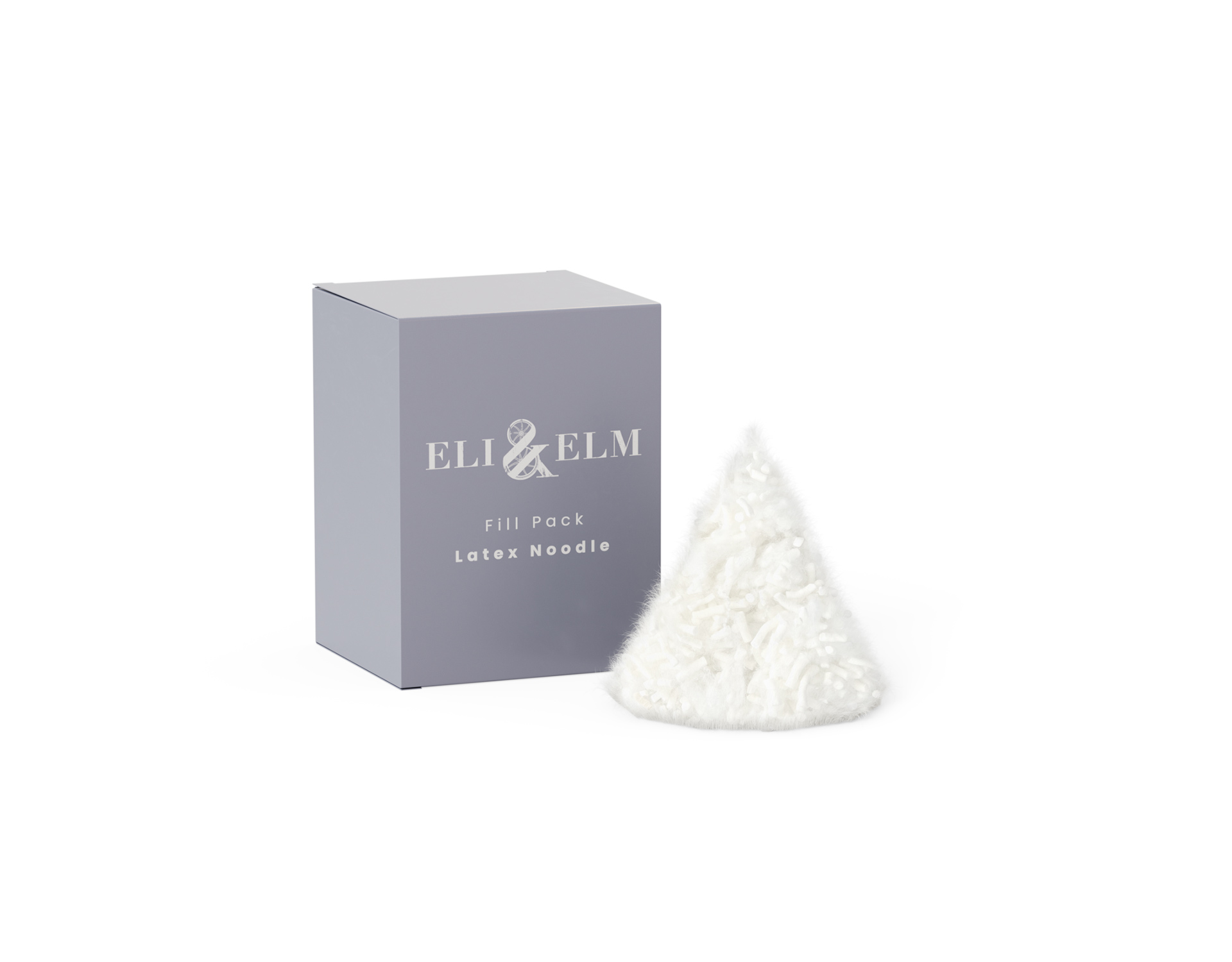
5. Latex Pillows
Latex pillows are naturally resilient and responsive, offering firm support without stiffness.
| Pros | Cons |
|---|---|
| Excellent durability | Heavier than other pillows |
| Naturally breathable | Higher price point |
| Resistant to dust mites and mold |
Best for: Side and back sleepers seeking firm, long-lasting support
6. Cotton Pillows
Cotton pillows provide a breathable, eco-friendly sleep option.
| Pros | Cons |
|---|---|
| Highly breathable | Loses shape quickly |
| Lightweight and natural | Limited neck support |
| Affordable |
Best for: Hot sleepers and those who prefer softer pillows
7. Polyester Fiberfill
Synthetic fiberfill pillows are widely available and budget-friendly.
| Pros | Cons |
|---|---|
| Low cost | Short lifespan |
| Lightweight | Minimal support |
| Hypoallergenic | Compresses quickly |
Best for: Temporary use or guest bedrooms
8. Buckwheat Hull Pillows
Buckwheat pillows use natural hulls that shift to support your head and neck.
| Pros | Cons |
|---|---|
| Exceptional support | Heavy |
| Excellent airflow | Noisy when moving |
| Highly durable | Firm feel may not suit everyone |
Best for: Back and side sleepers need strong neck alignment
9. Microbead Pillows
Microbead pillows contain tiny plastic beads commonly used in travel pillows.
| Pros | Cons |
|---|---|
| Lightweight | Poor durability |
| Moldable | Limited support |
| Low breathability |
Best for: Short-term or travel use only
10. Wool Pillows
Wool naturally regulates temperature and moisture.
| Pros | Cons |
|---|---|
| Excellent temperature control | Can feel dense |
| Naturally hypoallergenic | Higher cost |
| Durable |
Best for: Hot sleepers and those seeking natural materials
How to Choose the Right Pillow Filling for You
Choose Based on Sleep Position
- Side sleepers: Memory foam, shredded foam, latex
- Back sleepers: Latex, buckwheat, feather
- Stomach sleepers: Down, feather, soft cotton

Choose Based on Comfort Needs
- Neck pain: Memory foam, latex, buckwheat
- Hot sleepers: Cotton, wool, latex
- Allergy concerns: Latex, polyester, wool
Choose Based on Maintenance
- Prefer low-maintenance pillows? Choose latex or memory foam
- Want washable materials? Look for cotton or fiberfill
How Often Should You Replace Pillow Fillings?
- Synthetic pillows: every 6–12 months
- Natural fillings: every 1–2 years
- Latex or buckwheat: 3+ years with proper care

Final Thoughts
There is no single “best” pillow filling for everyone. The ideal choice depends on your sleep position, support needs, temperature preferences, and lifestyle. Understanding how each pillow filling performs helps you invest in better sleep and long-term comfort.
Choosing the right filling can reduce neck pain, improve spinal alignment, and enhance sleep quality night after night.