

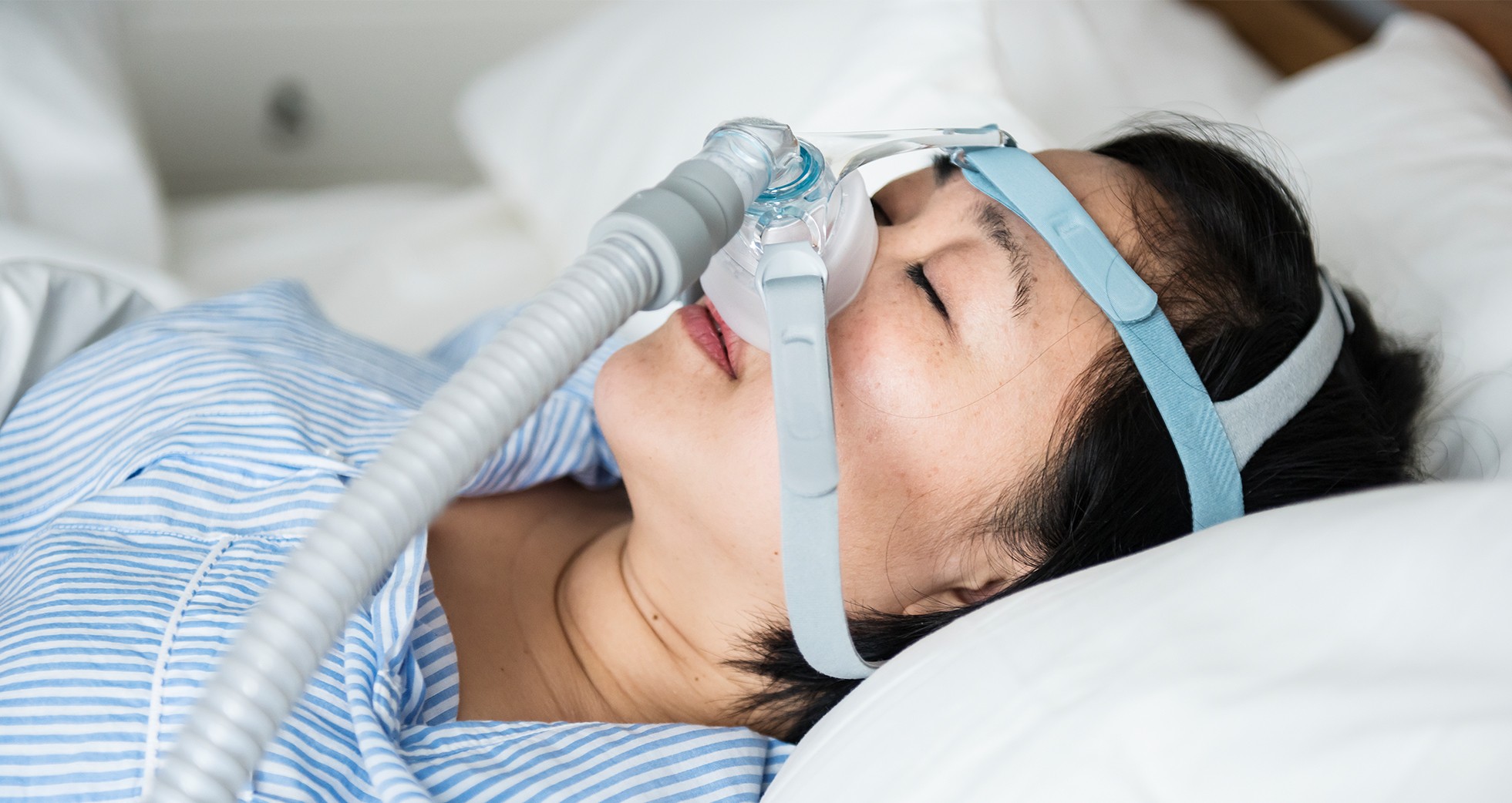
Nearly 50% of CPAP users stop therapy due to discomfort, mask leaks, or poor sleep posture. These issues don’t just affect comfort—they directly reduce the effectiveness of treatment for sleep apnea.
CPAP pillows are designed to solve these problems. With mask-friendly cut-outs and ergonomic support, they reduce facial pressure, prevent air leaks, and support proper head and neck alignment.
By allowing comfortable side or back sleeping without breaking the mask seal, CPAP pillows help improve sleep quality, therapy effectiveness, and long-term CPAP compliance.
What is a CPAP Pillow?
A CPAP pillow is a specialized pillow designed for people who use a CPAP machine to treat sleep apnea. CPAP therapy works by delivering continuous positive airflow through a mask to keep the airway open during sleep.
Unlike standard pillows, CPAP pillows feature cut-outs or contoured edges that create space for the CPAP mask and hose. This prevents the pillow from pressing against the mask when sleeping on your side or back.
By reducing mask movement, minimizing air leaks, and decreasing facial pressure, CPAP pillows help maintain a secure mask seal. At the same time, they support proper head and neck alignment, improving comfort and overall therapy effectiveness.
Types of CPAP Pillows
Here are the main types of CPAP pillows you should know about — each designed to improve comfort and mask fit in different ways:
1. Contour
Contour CPAP pillows have a curved, ergonomic shape that supports the head and neck while keeping space for the mask. They are ideal for side and back sleepers and help maintain proper spinal alignment.
2. Cut-Out
Cut-out CPAP pillows feature side openings or indentations that prevent the mask from being pushed into the pillow. This design helps reduce air leaks and discomfort, especially for side sleepers using nasal or full-face masks.
3. Wedge/Bolster
Wedge or bolster pillows elevate the upper body. This elevation can help improve airway openness and reduce snoring or acid reflux. These pillows are best suited for back sleepers who prefer sleeping slightly upright.
4. Memory Foam
Memory foam CPAP pillows contour to the shape of the head and neck. They provide consistent support, reduce pressure points, and help maintain a stable mask seal throughout the night.
5. Fiber-Fill or Polyester
These pillows offer a softer, more traditional feel compared to memory foam. They still accommodate CPAP masks while appealing to users who prefer less firmness.
6. Adjustable
Adjustable CPAP pillows allow users to add or remove filling to customize height and firmness. They are ideal for those who need personalized support for comfort and proper alignment.

How do CPAP pillows work?
CPAP pillows work by minimizing interference between the pillow and the CPAP mask while supporting proper sleep posture.
Their cut-outs and contoured sides create space for the mask and tubing when sleeping on the side or back. This prevents pressure on the mask, helping reduce leaks, mask shifting, and facial marks.
At the same time, CPAP pillows provide stable support for the head and neck. Proper alignment helps keep the airway open and allows the CPAP machine to deliver consistent airflow. This leads to better oxygen delivery and fewer sleep disruptions.
By improving comfort and reducing mask-related issues, CPAP pillows help users sleep longer and stay more consistent with CPAP therapy.
Benefits of CPAP Pillows
CPAP pillows offer several important benefits for people using CPAP therapy, helping improve comfort, sleep quality, and treatment effectiveness.
- Reduced Mask Leaks CPAP pillows are designed to prevent the pillow from pushing against the mask, helping maintain a proper seal and consistent airflow throughout the night.
- Improved Comfort By minimizing pressure on the face and mask, CPAP pillows reduce discomfort, skin irritation, and pressure marks, especially for side sleepers.
- Better Sleep Posture These pillows support proper head, neck, and spine alignment, which helps keep the airway open and promotes uninterrupted breathing.
- Enhanced CPAP Compliance Greater comfort and fewer sleep disruptions make it easier to use CPAP therapy consistently, improving long-term treatment success.
- Supports Multiple Sleep Positions CPAP pillows allow comfortable side and back sleeping without disturbing the mask or hose, offering more freedom of movement.
- Reduced Nighttime Awakenings With fewer leaks and less mask shifting, users experience fewer sleep interruptions and more restful sleep.
How to use CPAP pillows?
Using a CPAP pillow correctly can make a noticeable difference in comfort and CPAP therapy effectiveness. Here’s how to use one properly:
Choose the Right Sleep Position
CPAP pillows work best for side and back sleeping. Position yourself so the mask rests in the pillow’s cut-out area, not against the raised edges.
Align the Mask with the Cut-Out
Place your head so the CPAP mask fits naturally into the pillow’s contour or side cut-out. This prevents pressure on the mask and helps maintain a proper seal.
Adjust Pillow Height and Firmness
Make sure the pillow supports your neck without pushing your head forward or letting it sink too low. If the pillow is adjustable, customize the height for proper alignment.
Position the CPAP Hose Correctly
Run the hose along the side or top of the pillow to prevent pulling or tangling during sleep.
Test for Leaks Before Sleeping
Once positioned, turn on your CPAP machine and check for air leaks. Make small adjustments until the mask feels secure and comfortable.
Maintain Proper Pillow Care
Use a breathable pillow cover and keep the pillow clean according to the manufacturer's guidelines to ensure hygiene and durability.
Expert Insight and Clinical Relevance
Sleep specialists often recommend CPAP pillows for patients who experience mask leaks, discomfort, or poor sleep posture. Improving comfort and mask stability is a key factor in long-term CPAP adherence, which is essential for effective sleep apnea management.

Final Verdict
This blog is well-structured, informative, and aligned with search intent. With tighter language, improved readability, and added trust signals, it is well-positioned to rank for CPAP pillow–related keywords while delivering real value to readers.


