
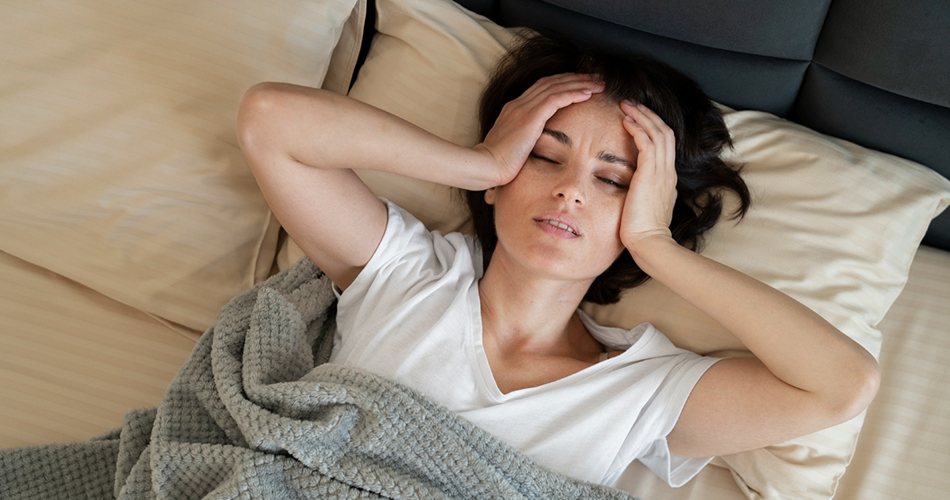
Many people have nighttime sleeping difficulty, with studies showing that 15% or more of teenagers have an ongoing nighttime sleep-wake delay, and one in approximately 300 adults also has this same ongoing nighttime sleep-wake delay.
For these people, they are usually awake after midnight and experience drowsiness and fatigue in the morning, but they are still in bed for a sufficient number of hours.
Additionally, research indicates that this sleep cycle can impact academic performance, work productivity, and mental well-being, particularly when individuals are compelled to adhere to conventional work or school schedules.
Currently, scientists continue to explore the reasons why some people's internal biological clocks drift later and further back in time into the evening than others. They have made great strides in identifying some of the potential causes, which include hereditary patterns, lifestyle habits, and environmental factors.
What is Delayed Sleep Phase Syndrome?
Delayed Sleep Phase Syndrome (DSPS) is a disorder that causes the sleep cycle to be significantly shifted later in the 24-hour day compared to what is typical. As a result, a person with DSPS does not feel "sleepy" until 2 a.m., 3 a.m., or even later than the normal time frame, and is therefore unable to wake up at normal times, such as 6–8 a.m., even if he/she have received a full 7–9 hours of sleep.
DSPS is not simply "being a night owl", as the delayed pattern is a consistent pattern of behavior and is often difficult to change without assistance. Usually, when left to follow their natural rhythms, individuals with DSPS can function normally and are productive; however, individuals with DSPS have difficulty due to obligations such as school and work that require them to be awake earlier than their body will allow.
In essence, DSPS is a disorder of circadian rhythms in which a person's sleep/wake cycle is out of alignment with the expected sleep/wake times established by society. For individuals with DSPS, the timing of sleep—as opposed to the quality of sleep—is the most significant challenge.
Symptoms of Delayed Sleep Phase Syndrome
he continued struggle with sleeping patterns, as described below:
- Consistently sleeping later than you wish (2-6 a.m.)
- Extreme difficulty waking early (and take all alarms into account).
- Sleep typically appears to be normal for duration and quality.
- Daytime fatigue, decreased concentration, and performance due to needing to wake up early.
- Energy and alertness improved during the later part of the day and/or night.
- Obtain through a consistent pattern of sleep disorders (over months/years).
- Continuously shifting the body clock forward (without having an established schedule) and gaining exposure to morning sunlight.
Causes of Delayed Sleep Phase Syndrome
DSPS occurs when the body's circadian rhythm or internal clock has a longer duration than the 24-hour day-night cycle. Many biological & environmental factors can cause the internal clock to become "out of sync," resulting in a later natural sleep time.
Circadian Rhythm Delay
Individuals suffering from DSPS typically have a long length of time in their circadian rhythms, leading them to have an internal clock that "drifts" later each day unless, of course, strong morning light or regularly scheduled events reset it strongly.
Genetics
Studies show there is an inherited component to this disorder; typically, it appears that event sequences occur in some families with greater frequency than others. For example, people who are descendants of an individual whose circadian rhythm is consistently observed to run longer than 24 hours tend to be more likely to have an analogous case of DSPS.
Melatonin
Melatonin, the hormone responsible for signalling the body to begin to sleep, in DSPS individuals, is produced significantly later in the night than normal and results in a later onset of sleep - and subsequently, a later bedtime and later wake-up time.

Lifestyle Factors
If you use screens late at night, do not stick to a typical sleeping schedule or nap excessively during the evening, stimulating overall physical activity, you will be reinforcing an existing delayed sleep-wake pattern.
Environmental Factors
Not getting enough exposure to natural sunlight in the morning and/or getting too much exposure to artificial light during the evening may cause a delay in circadian rhythm; this is especially true in biogenetically predisposed populations.
Adolescent Brain Changes
DSPS typically starts during the teenage years due to normal biological growth and development, and it will most likely be long-term in some individuals.
Risks of DSPS
Chronic Sleep Deviation: Consistent, later rising for school/work results in significant decreases in nightly &/or weekly amount of sleep.
Daytime Fatiguing & Decreased Attention Span During Daytime Hours: Mismatch between when the body naturally wants to be asleep and waking for work/school creates poor concentration and decreased efficiency levels.
Trouble Performing In School/Work: Students and adults who frequently arrive late, miss morning classes, and/or perform at lower than normal levels are at risk of experiencing Chronic Sleep Deviation.
Emotional Difficulties: Chronic Sleep Deviation is correlated with increased emotional issues such as anxiety and irritability. Many individuals suffering from chronic sleep deviations also exhibit depressive symptoms.
Strain on Family/Social Life: Becoming accustomed to being awake for many hours/days at night leads individuals to be estranged from each other, thus avoiding typical daily interactions at home, school, and/or work.
Engaging in More Extreme Activities/Overeating Late at Night: Extended periods of being awake lead many people to develop unhealthy lifestyles through increased consumption of food and/or engaging in dangerous/illegal activities.
Worsening of Current Health Issues: Circadian Misalignment increases metabolic disorders, headache, and stress due to increased levels of anxiety and irritability.
Diagnosis of Delayed Sleep Phase Syndrome
DSPS is diagnosed primarily by determining a consistent pattern of delayed sleeping and waking times for at least Multiple months. Your healthcare provider will examine your sleep patterns, your daily routine, and how this routine changes on weekends and holidays.
There are multiple steps to diagnosing DSPS. The following is a summary of the important steps:
Review of Your Sleep History: Your provider will inquire about the times you typically fall asleep, awaken, and have difficulty falling asleep early, as well as your preferred sleep schedule.
Sleep Diary: A 1–2 week record of your bedtimes, times you're awake, and excessive daytime sleepiness helps validate a consistent delay in your sleep pattern rather than irregular habit patterns.
Actigraphy: A watch-like monitoring strap may be used to record circadian rhythms and sleep patterns for multiple days or weeks.
Evaluation of Daytime Functioning: Difficulty getting up for obligations, morning grogginess, and improved alertness in the evening are supportive of the diagnosis of DSPS.
Rule out other Disorders: Providers look for other disorders such as Insomnia, Depression, Sleep Apnea, substance abuse, or lifestyle factors that may mask or duplicate the symptoms of DSPS.
If symptoms of DSPS are unclear, your doctor may choose to do an overnight sleep study (polysomnography) to rule out other sleep disorders. A diagnosis is made when there is a persistent, predictable delay in the sleep phase that matches the criteria for DSPS and cannot be explained by irregular schedules or other medical conditions.
Treatment and Management of Delayed Sleep Phase Syndrome
DSPS Management emphasizes shifting the body's internal clock to an earlier time and stabilizing the new schedule. As a biologically driven condition, treatments are most effective when they are used consistently in conjunction with supportive behavioural habits.
Light Therapy (bright light exposure)
Bright-light exposure in the morning is one of the most effective therapies for DSPS, since it is beneficial to increase light levels during the first hour after awakening, to reset the circadian rhythm to an earlier time. Consistent use of either a light box or natural morning sunlight is recommended for optimal effectiveness.
Melatonin Supplementation
Taking low amounts of melatonin several hours before the desired bedtime can help signal the brain to begin winding down at an earlier time. The timing and amount of melatonin administered are important and should generally follow the recommendation of a physician.
Chronotherapy
This technique is accomplished by gradually moving the patient's current sleep-wake time (15 to 30 minutes earlier every several days) until the desired bedtime has been established. Strict adherence to consistency is necessary throughout this procedure, and professional supervision is generally necessary.
Strict Sleep Schedule
Sleeping at the same hour every day is another key strategy to assist your body in adjusting its internal clock. An established bedtime, avoiding long daytime naps, and following a predictable evening routine all facilitate continued improvement of your sleep habits.
No Lights Before Bed
Avoiding screens (i.e., computers and smartphone devices), as well as utilizing blue-light-blocking sunglasses and reducing the amount of indoor lighting before sleeping, will help prevent your body from naturally changing its time of falling asleep and waking up. Use of blue-light-blocking glasses may also assist.
Cognitive Behavioral Therapy for Insomnia (CBT-I)
For individuals who develop anxiety or frustration toward sleeping, CBT-I will improve the timing of when they fall asleep and provide more confidence to allow for an increase in the effectiveness of their treatments.
Lifestyle Change
Eliminating caffeine consumption after lunch, avoiding stimulating events before sleeping, and implementing a more calming nighttime routine will effectively allow for an earlier time of falling asleep.
Temporary Work Schedule
In some circumstances, people may need to be placed on a temporary change to their work schedule or school schedule until the treatment effect is realized.
How long does DSPS last?
Delays in Sleep Phase Syndrome (DSPS) usually last a long time; however, it can vary widely by age and how well DSPS is treated.
In most cases, teenagers will experience DSPS for several months to even years, even though the sleep–wake pattern will stabilize and direct shifts due to increasing age. In adults, DSPS is typically chronic and can last for many years or be a lifelong issue if the patient does not receive treatment.
Many people can significantly shift their sleep schedule in as little as weeks or months, with appropriate treatment (light therapy, melatonin, and strict schedules); however, maintaining the improvement often requires some degree of consistency in their daily lives.
- Teenagers: temporary in most cases
- Adults: very often long-term chronic condition unless the patient receives treatment
- With Treatment: Patients typically see improvement in a matter of weeks; however, without some degree of consistency in their daily life, they may not maintain the improvement for the long term.
When to See a Doctor?
Contact a physician when daily life is impacted because your sleep patterns are interfering with your ability to get up on time for school/work, you have persistent fatigue during the day, and you have true difficulty adjusting your sleep schedule, no matter how many times you try to do so.
Medical care is also necessary if you have been following the same sleeping schedule for at least three months, you believe you may have another sleep disorder in addition to delayed sleep phase disorder, and/or your late sleeping schedule has affected your mood, increased anxiety, or decreased your work/school performance.
A qualified sleep specialist will be able to assist you in making a diagnosis of Delayed Sleep Phase Disorder and discuss treatment options that will work best for you.

Final Thoughts
Delayed Sleep Phase Syndrome (DSPS) can be frustrating if your daily responsibilities do not match your natural sleep pattern. Although it can last for a long time, the positive aspect of DSPS is that if treated with the correct methods, including light therapy, melatonin, and maintaining a consistent routine, most individuals suffering from DSPS will shift their cycle back so that they can better manage their mornings.
By understanding what causes this condition, identifying the symptoms of DSPS, and working with a professional as needed, you can improve both the quality of your sleep and your ability to function during the day.
With the appropriate treatment approach, the majority of people can take back control of their schedule and achieve a more balanced and restorative sleep experience.