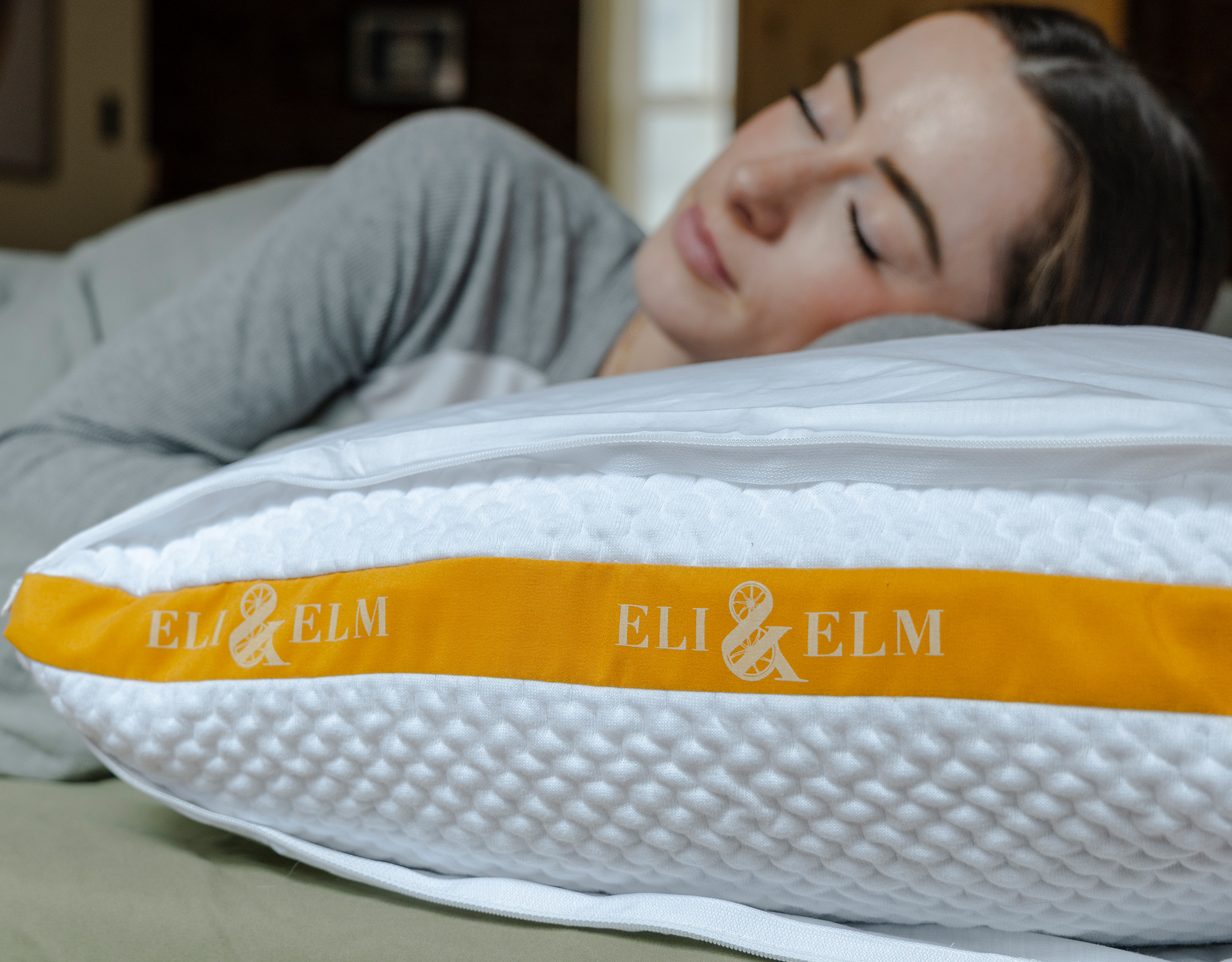


Most individuals are unaware of how significant sleep positioning is to the degree of comfort as well as long-term musculoskeletal health. Although most people focus their attention on their mattress, the type of pillow they use every night will also affect how well-aligned their spine and neck remain for extended periods.
Ergonomic pillows resolve this issue by giving supportive, anatomically correct structures instead of only giving you a soft surface to lie on. More and more people are opting for ergonomic pillows due to neck soreness and stiffness, tension in the shoulders, or difficulty sleeping due to poor alignment.
What is an Ergonomic Pillow?
Ergonomic pillows utilise the principles of human body structure and neck alignment. Unlike many conventional types of pillows, which can compress or lose their shape as time goes by, ergonomic pillows are shaped to support the natural curvature of your neck, forming alignment between head, neck, and upper spine while sleeping.
Most ergonomic pillows consist of either memory foam or latex that conform to the sleeper's body while still providing adequate levels of support.
Its contour allows the pillow to keep its contour throughout the night, therefore reducing the likelihood of an awkward bend in your neck. They are commonly made from materials such as:
- Memory foam
- Latex foam
- Contoured or orthopaedic foam blends
These pillows are suitable for back, side, and combination sleepers, depending on the design.
How Ergonomic Pillows Work
Ergonomic pillows focus on maintaining proper alignment rather than simply adding cushioning.
Neck and spine alignment
The contoured shape supports the natural curve of the neck, helping keep the head aligned with the spine. This reduces unnatural bending that can cause muscle strain.
Pressure distribution
By evenly distributing weight, ergonomic pillows reduce pressure points around the neck and shoulders. This helps muscles relax more fully during sleep.
Postural stability
These pillows help limit excessive head movement at night, which can otherwise lead to poor posture and disrupted sleep.

Benefits of Using an Ergonomic Pillow
Using an ergonomic pillow can lead to gradual improvements in sleep comfort and posture.
Reduced neck and shoulder tension
Proper support allows muscles to relax instead of staying engaged overnight, which may reduce stiffness on waking.
Improved sleep quality
When discomfort is minimised, many people experience fewer interruptions and more consistent sleep.
Better long-term posture support
Maintaining correct alignment during sleep helps prevent unnecessary strain that can worsen posture over time.
Sleeping Positions and Pillows
Your primary sleeping position plays a key role in determining which ergonomic pillow will work best for you.
Back Sleepers
Back sleepers benefit from pillows that support the neck without pushing the head too far forward.
Support needs
A medium-loft ergonomic pillow helps maintain the natural cervical curve while keeping the spine neutral.
Additional comfort tips
Placing a small pillow under the knees can help reduce lower-back pressure and improve overall alignment.
Side Sleepers
Side sleeping requires more height and firmness to keep the head level with the spine.
Support needs
A thicker ergonomic pillow fills the gap between the shoulder and head, preventing the neck from tilting.
Additional comfort tips
A pillow between the knees can help keep the hips aligned and reduce strain on the lower back.
Stomach Sleepers
Stomach sleeping places the most stress on the neck and spine and often requires adjustments.
Support needs
A low-profile ergonomic pillow can help reduce neck rotation and tension.
Additional comfort tips
Using a thin pillow under the pelvis or abdomen may help improve spinal alignment and reduce discomfort.
How to Use an Ergonomic Pillow Correctly
Using an ergonomic pillow properly is just as important as choosing the right one. Even the best-designed pillow will not be effective if it is positioned incorrectly or used inconsistently.
Correct Head and Neck Placement
The pillow should support your neck, not just your head. Your neck should rest on the contoured or raised portion of the pillow, while your head sits naturally without being pushed forward or tilted backward. This helps maintain a neutral spine position and reduces unnecessary muscle strain during sleep.
Match the Pillow to Your Sleeping Position
Your sleeping position determines how the pillow should be used. Back sleepers should rest their head in the centre of the pillow while allowing the contour to support the neck. Side sleepers should use the higher side of the pillow so the head stays level with the spine. Using the correct side of the pillow ensures proper alignment throughout the night.
Keep Shoulders on the Mattress
One common mistake is allowing the shoulders to rest on the pillow. The pillow should only support the head and neck, while the shoulders remain on the mattress. This prevents excessive elevation and helps maintain proper posture.
Allow Time for Adjustment
Switching to an ergonomic pillow may feel different at first, especially if you are used to a soft or flat pillow. It is normal to take one to two weeks for your body to adjust. During this period, muscles adapt to improved alignment, which can initially feel unfamiliar.
Use It Consistently
Consistency is key to seeing results. Using the ergonomic pillow every night allows your body to adapt and benefit from proper support. Frequently switching back to old pillows can slow the adjustment process.
Pair with a Supportive Mattress
An ergonomic pillow works best when combined with a mattress that supports spinal alignment. If the mattress is too soft or too firm, it may reduce the effectiveness of the pillow.
Common Mistakes to Avoid
Even a well-designed pillow may not work effectively if used incorrectly.
- Wrong pillow height: Using a pillow that is too high or too low can disrupt alignment and cause discomfort.
- Inconsistent use: Switching pillows frequently can prevent the body from adapting to proper support.
- Ignoring mattress support: A pillow works best when paired with a mattress that provides adequate spinal support.

Final Thoughts
Ergonomic pillows are designed to support the body in a more natural sleeping position. While results vary, many people find that consistent use improves comfort, reduces strain, and leads to better quality sleep over time.
Choosing the right pillow for your sleeping position and allowing time for adjustment are key to experiencing long-term benefits.