
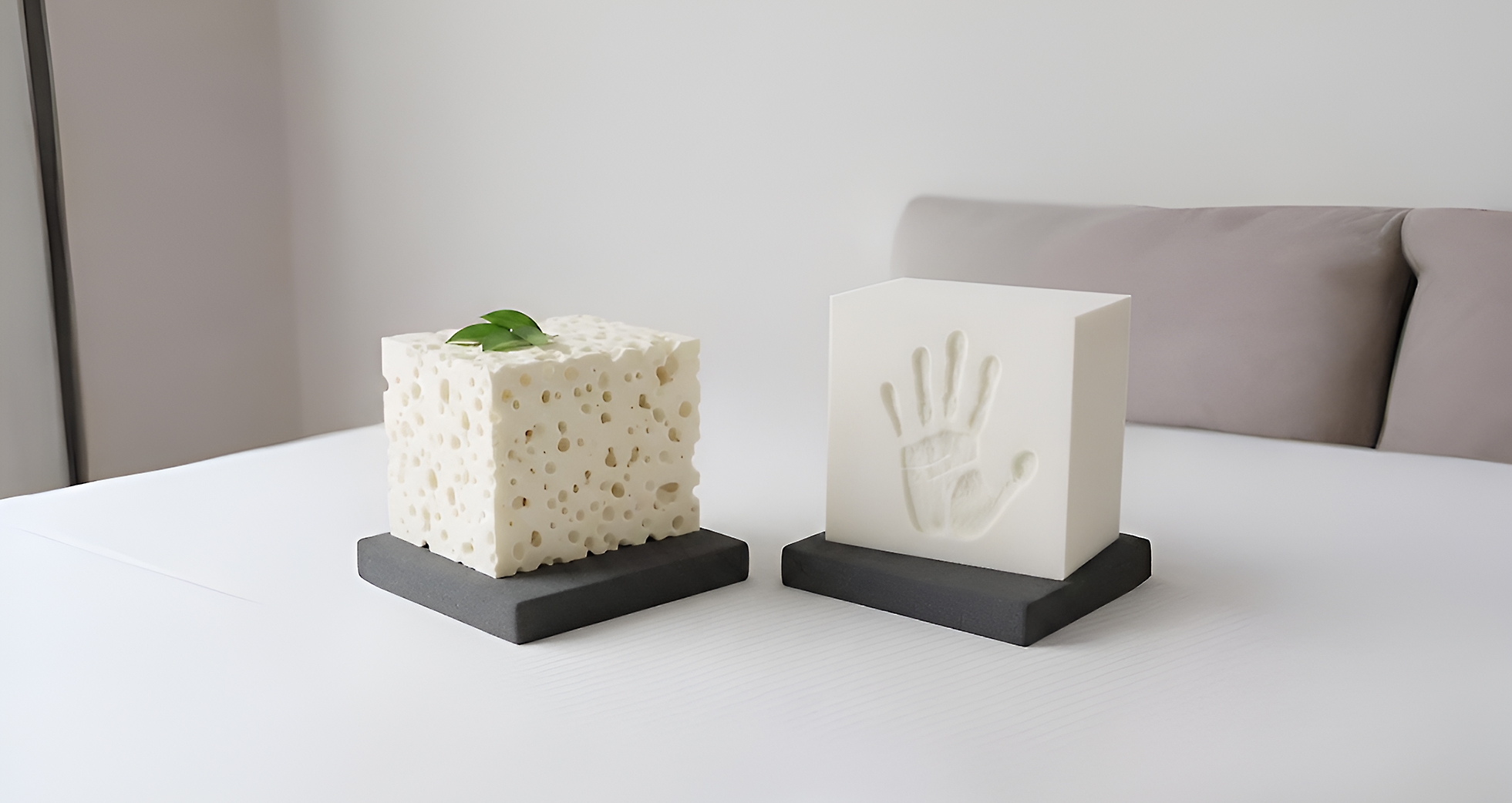
Latex foam and memory foam are both among the leading materials when it comes to mattresses and pillows today, representing a significant part of the global mattress market, which is over $80 billion.
Although most people know memory foam, which was originally designed by NASA as a way of providing comfortable and supportive pressure relief as it contours to the body, latex foam is gaining popularity because of its natural bounce and air circulation, as well as its longer life.
According to research, people spend nearly a third of their lives sleeping, and using the right type of foam mattress will decrease the number of pressure points by 30-40%, help keep the spine aligned correctly, and improve sleep quality.
This article will provide a brief side-by-side comparison of latex vs. memory foam to highlight how these types of foams are different in comfort, coolness, durability, and support so that you can make the best decision for your lifestyle and health.
What Is Memory Foam?
NASA developed memory foam as a soft and pliable cushioning material to enhance the cushioning of seats and shield astronauts from crashes. Originally introduced in the 60s, memory foam will react when it is placed under the pressure of body weight and warmth.
When you put your body and weight on top of memory foam, it will react with the heat and pressure applied to it, eventually beginning to take the shape of your body, and when you release your pressure, it returns to its original shape, which is why the name "memory" foam is used for this product.

Memory Foam for Sleeping
Memory foam is a well-known selection for sleep due to its ability to match your body shape and give personalized comfort and support throughout a night of restful slumber.
The memory foam reacts to your body's heat and weight (pressure); thereby, it will mold closely around your shape, providing maximum support to these areas (shoulders, hips, spine) that require the most support while you sleep.
Why Memory Foam Is Good for Sleep
- Strap pressure relief: Reduces pressure on your body's joints and muscles, particularly for those who sleep on their side.
- Spinal position: Supports your bone structure as it relates to how you sleep (i.e., side-sleepers, back-sleepers, stomach-sleepers).
- Motion isolation: Reduces the amount of sleep you lose due to motion by your partner (i.e., movement, rolling over).
- Consistent comfort: Provides a consistent level of support throughout your mattress or pillow.
Things to Consider
- While traditional memory foam may contain trapped heat, many manufacturers now utilize cooling gels and open-cell constructions for improved airflow and temperature regulation.
- Although traditional memory foam has a slow-response feel, some users prefer a firmer or bouncier feel.
Who Should Choose Memory Foam?
Memory foam works well for those with back issues, joint issues, or general difficulties with sleeping due to the use of soft, body-hugging sleep surfaces that encourage good quality and longer periods of uninterrupted sleep.
Types of Memory Foam
There are also many variations of memory foam, each specifically formulated for different types of sleeping conditions, including cooling, support, and durability.
Traditional Memory Foam
The original form of memory foam closely conforms to the individual's body shape. The best aspect is the pressure relief it provides, but it is known to retain heat.
Gel-Infused Memory Foam
Gel-infused foam has tiny cooling gel beads or sections throughout to help provide a cooler sleeping surface. Great for those who tend to sleep hot and want the comfort of memory foam without overheating.
Open-Cell Memory Foam
Open-cell foam has been developed to allow for the greatest possible airflow, thereby enhancing temperature control and reducing heat retention.
Plant-Based (Bio) Memory Foam
Made using natural oils instead of petroleum. This type of memory foam is more environmentally friendly and breathable while still providing contouring support.
Pros and Cons
| Pros | Cons |
|---|---|
| Excellent pressure relief for joints and spine | Can retain heat, especially in older or low-quality foams |
| Contours to body shape for personalized support | “Sink-in” feel may restrict movement |
| Helps maintain proper spinal alignment | Not ideal for hot sleepers without cooling features |
| Absorbs motion—great for couples | May develop body impressions over time |
| Reduces tossing and turning | Initial chemical odor (off-gassing) when new |
| Suitable for people with back or joint pain | Typically heavier and harder to move |
What Is Latex?
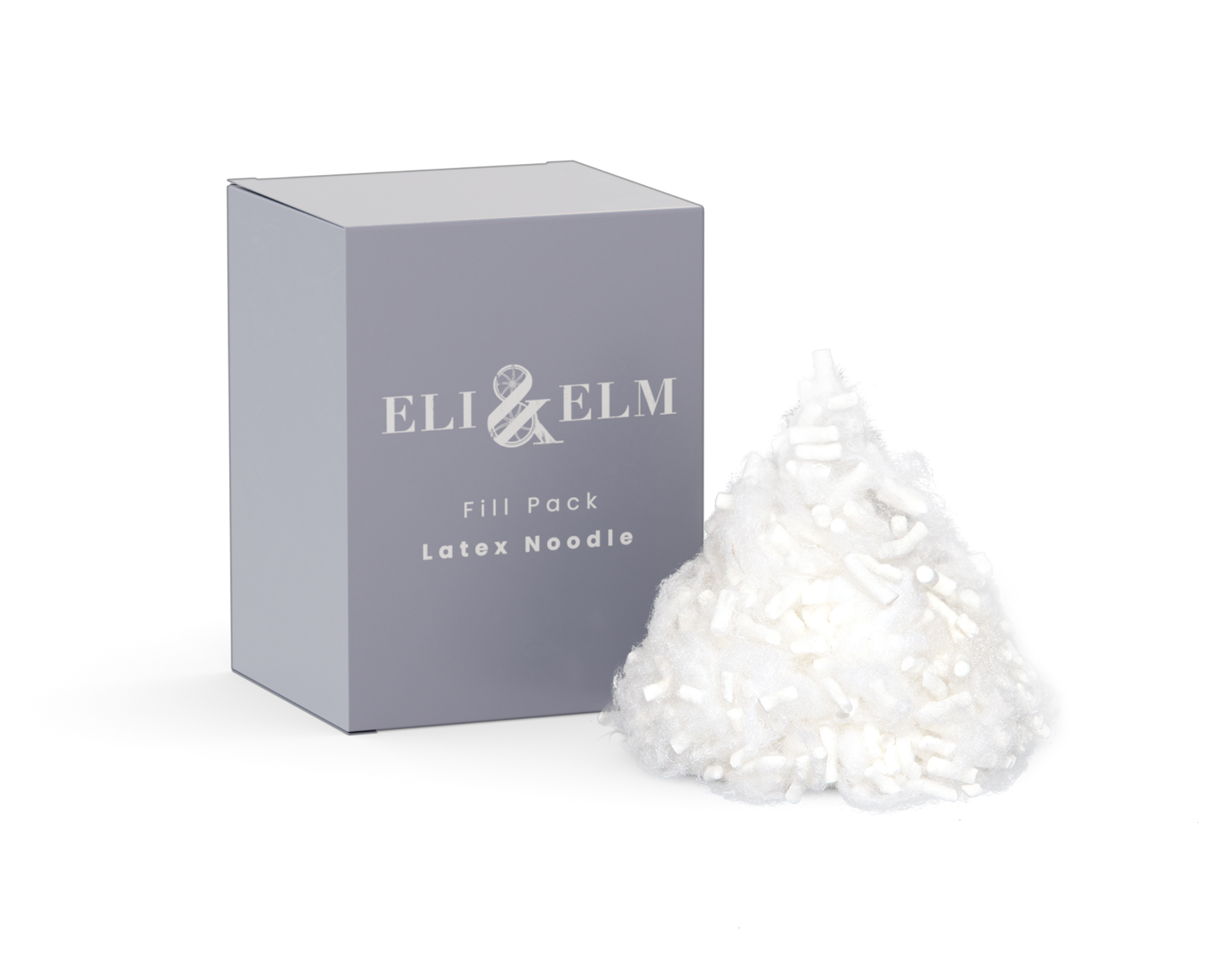
Latex is a type of flexible, rubbery substance that is noted for being extremely elastic, long-lasting, and naturally more breathable than other types of materials. This makes it perfect for use in mattresses, pillows, healthcare, and many household products because they provide excellent support while still being comfortable.
Latex conforms gently to the shape of your body without allowing you to sink into the surface too far. Because of its ability to push back against the weight of your body, it holds your spine in an appropriate position and enables you to move freely through the night when sleeping on top of it.
Additionally, latex can provide a supportive, durable, and cooler sleeping environment; it's the preferred option for individuals who prefer comfort without having the "stuck" feeling experienced while sleeping on top of memory foam.

Latex for Sleeping
Latex provides a balance of supportive comfort to the sleeper's body, while also allowing them not to sink into the mattress material. The latex material will conform to the sleeper's body but also retain its natural responsiveness, which allows for continued support and comfort during sleep.
The latex mattress provides even support of the sleeper's body weight across the entire sleeping surface, including the major pressure points, the shoulders, the hips, and along the spine, which encourages proper posture and makes movement during sleep much easier.
Why Latex Is Good for Sleep
- Balanced pressure relief for the sleeper's joints and muscles, without excessive sinking into the material.
- Spinal alignment for people who sleep either on their back, side, or a combination.
- Easy movement when changing sleeping positions thanks to the responsive, bouncy feel.
- Breathability to keep sleepers cool because of the naturally breathable structure of the latex material
- Consistent support throughout the entire mattress or pillow.
Things to Consider
Customers interested in a cooler sleeping surface should go with a latex mattress versus a memory foam mattress; simply put, latex mattresses tend to be firmer than memory foam mattresses.
Firmer mattresses (made of latex) won't give those huggy, plush-type feelings many people desire, however. Also, many latex products weigh more than standard foam products and will cost more.
Who Should Choose Latex?
Hot sleepers, combination sleepers, and those looking for the longest-lasting, air-like mattress will be happiest using a latex mattress. Customers with mild to severe back pain or joint discomfort will do better using a firm but comfortable mattress instead of a deep-contoured mattress.
Types of Latex
There are three types of latex:
Natural latex is harvested from the sap of rubber trees, making it a sustainable option that also has many other benefits, including mold and dust mite resistance, excellent ventilation, high longevity, and excellent resiliency.
Synthetic latex is derived from man-made materials called petrochemicals and has similar physical properties to natural latex; however, it is less expensive, less breathable, and less durable than the original.
Blended latex contains both natural and synthetic latex to achieve an ideal mix of performance, support, comfort, and affordability; therefore, it is often found in sleep-related products like mattresses and pillows.
Pros and Cons
| Pros | Cons |
|---|---|
| Naturally cool and breathable | Higher upfront cost |
| Responsive and easy to move on | Heavier than most foam mattresses |
| Durable with a long lifespan (12–15 years) | A firmer feel may not suit all sleepers |
| Maintains spinal alignment | Limited deep contouring |
| Hypoallergenic and resistant to dust mites | Natural latex availability varies |
| Consistent support without sagging | Less “plush” than memory foam |
Latex vs. Memory Foam
| Feature | Latex | Memory Foam |
|---|---|---|
| Feel | Responsive, bouncy | Soft, slow-response |
| Body Contouring | Light to moderate | Deep contouring |
| Pressure Relief | Balanced support | Excellent pressure relief |
| Cooling | Naturally cool & breathable | Can retain heat (cooling types available) |
| Motion Isolation | Moderate | Excellent |
| Ease of Movement | Very easy | Can feel restrictive |
| Durability | 12–15 years | 8–10 years (varies by density) |
| Best For | Hot & combination sleepers | Side sleepers & pain relief |
| Eco-Friendliness | High (natural latex) | Moderate |
| Price Range | Higher upfront | Wide range, often affordable |
1. Feel and Comfort
Memory foam wraps around your body and offers you a feeling of comfort that feels a lot more custom than just support alone would. Unlike latex, it does not have as strong a contoured surface.
2. Pressure Relief
Due to the pressure/pain relief benefits on joints and on most muscles, memory foam works well for people who are side sleepers and individuals with chronic pain, while latex has an even distribution of body weight with less deep contour than memory foam.
3. Cooling or Breathability
Compared to memory, latex provides much better airflow and allows the user to have an overall cooler sleeping experience. While heat from your body may become trapped inside the mattress, gel-filled or open-cell designs may help regulate temperature more effectively than traditional memory foam.
4. Movement and Responsiveness
The way latex reacts quickly to any movements results in easier changing of positions than is possible with memory foam, where some people may experience a slower reaction time while moving and therefore feel more "stuck."
5. Motion Isolation
Memory foam's unique ability to absorb motion makes it an ideal solution for couples. While natural latex mattresses still allow some movement between partners, they do so at a much lower level than traditional coil spring mattresses.
6. Level, Quality, and Durability
Lastly, latex mattresses typically last longer than any other material, generally over 10 years. Memory foam can also last as long, but its lifespan depends on the quality and density of the foam used to make the mattress. Most memory foam mattresses last between eight and ten years on average.
7. Who Should Choose Which Material?
If you usually get too hot while asleep, you're a restless sleeper, and you want a mattress that's firm but comfortable, then choose a latex mattress.
A memory foam mattress is the best option for you if you really need to relieve pressure, as it provides your body with soft, contoured support with little motion transfer from your body to the mattress when you're asleep.

Latex vs. Memory Foam Pillows
While both offer excellent support, they differ in feel, performance, and suitability for different sleep styles. Let’s break it down.
What Is a Latex Pillow?
Latex pillows are made from natural or synthetic latex derived from rubber trees. They are known for their resilience, breathability, and responsive support.
Benefits of Latex Pillows
- Responsive support: Instantly adjusts to movement without sinking too deeply
- Excellent airflow: Naturally breathable and stays cooler through the night
- Durable: Maintains shape for years without flattening
- Hypoallergenic: Resistant to dust mites, mold, and bacteria
- Eco-friendly options: Natural latex is biodegradable and sustainable
Best For
- Hot sleepers
- Combination sleepers
- Those who prefer a slightly firm, buoyant feel
- People with allergies
What Is a Memory Foam Pillow?
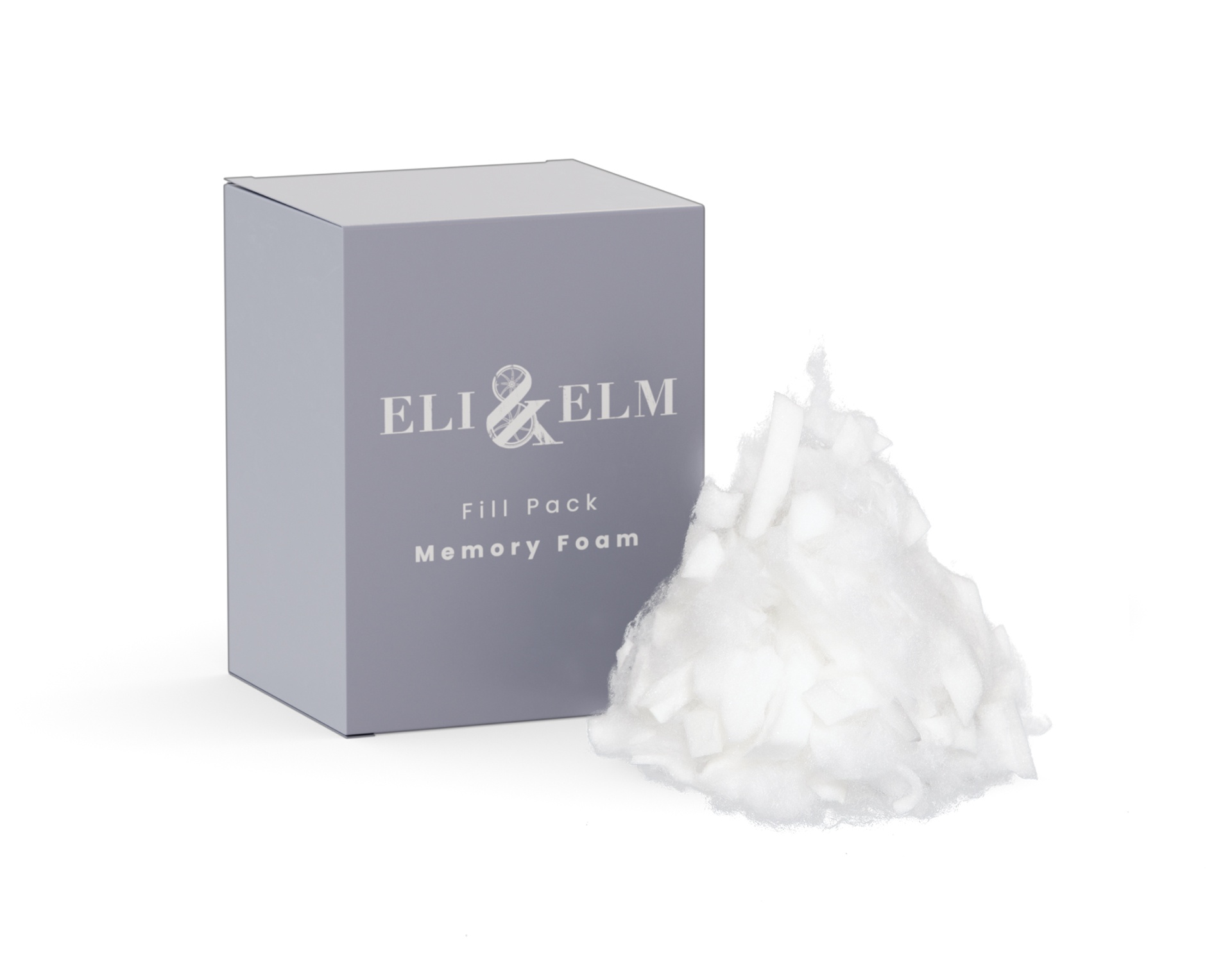
Memory foam pillows are made from viscoelastic foam that contours to your head and neck using body heat and pressure.
Benefits of Memory Foam Pillows
- Superior pressure relief: Cradles the head and neck for targeted support
- Excellent spinal alignment: Especially beneficial for neck pain
- Motion isolation: Holds its shape throughout the night
- Variety of designs: Available in contour, shredded, and traditional shapes
Best For
- Side and back sleepers
- People with chronic neck or shoulder pain
- Those who like a soft, contouring feel
- Sleepers who stay in one position
Latex vs. Memory Foam: Side-by-Side Comparison
| Feature | Latex Pillow | Memory Foam Pillow |
|---|---|---|
| Feel | Bouncy & responsive | Soft & contouring |
| Cooling | Naturally cool | Retains heat (unless gel-infused) |
| Support | Even, adaptive support | Targeted pressure relief |
| Durability | Very long-lasting | Moderate lifespan |
| Allergies | Highly resistant | Can trap allergens |
| Eco-friendly | Yes (natural latex) | No |
| Odor | Minimal | Initial off-gassing |

Final Thoughts
Both memory foam and latex have been shown to improve sleep, but the best option ultimately depends on your own comfort requirements, preferred sleeping position, and preferred temperature.
While latex is notable for its breathability, responsiveness, and long-term durability, memory foam excels at deep pressure relief and motion isolation, making it perfect for pain relief and uninterrupted sleep.
Knowing these distinctions will enable you to purchase a mattress or pillow that promotes better sleep and general health, regardless of your preference for a cooler, more supportive surface or a plush, contouring feel.