
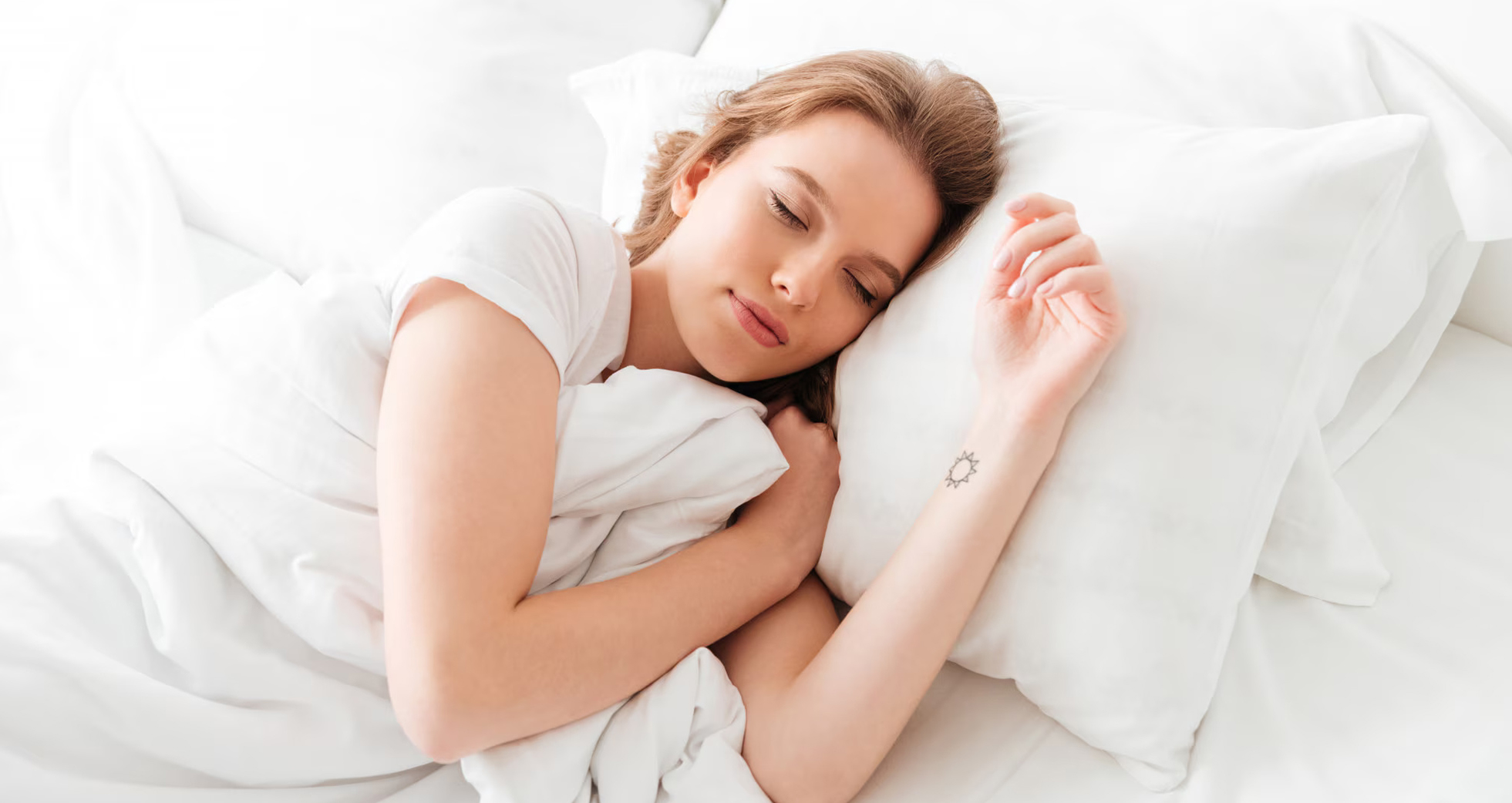
The American Academy of Sleep Medicine estimates that around 30% of the adult population suffers from some type of insomnia. There are around 10% of adults with ongoing insomnia that have disrupted their daily lives.
Poor sleep can lead to fatigue, difficulty with attention, and potentially long-term medical complications, especially in the case of adults getting less than 7 hours of sleep each night, which is the recommended amount according to the CDC.
Some individuals commonly use complementary techniques such as acupressure to promote relaxation in the body and improve sleep quality. The application of light pressure on specific points of the body may assist in reducing anxiety and increasing relaxation.
Though not meant to replace conventional medicine, many well-known pressure points help promote better sleep habits and reduce the symptoms of insomnia.
6 Pressure Points for Sleep
Traditional Chinese medicine identifies certain areas of the body that support relaxation and a natural sleep cycle.
Various points on the body are used by practitioners of acupressure, who apply gentle pressure to these points to promote relaxation, relieve nervous system stress, and help you sleep better.
Although acupressure for insomnia cannot be used as a cure, many people use it as a way to help them alleviate tension before going to bed, and it is an effective means of relaxation.
The following is a list of several of the more commonly referenced pressure points of the body that could potentially support restful sleep.
1. Anmian (Peaceful Sleep Point)

The Anmian (peaceful sleep) point is traditionally considered the most effective way to calm the mind and help prevent restlessness at night. The point is located behind the ear, inside the fleshy tissue between the base of the skull and the earlobe.
As this area is adjacent to muscles and nerves responsible for the relaxation response, gentle stimulation provides the opportunity to remove tension in the head/neck area.
It helps you with:
- Promoting relaxation before bedtime
- Reducing anxiety and mental tension
- Helping the body transition into sleep more easily
Applying light circular pressure to this point for a few minutes on both sides of the head may help relax the mind and body.
2. Shenmen (Spirit Gate)

The Shenmen point, which is emotionally balancing, also has a connection to calming one's nervous system. In traditional medicine, it is used to manage stress, anxiety, and sleep deprivation.
It is located on the inner wrist area at the crease under the little finger. This area is thought to induce a calming response in the body.
Stimulation of the Shenmen point can help:
- Calm a racing mind
- Reduce emotional tension and stress
- Promote relaxation prior to sleep
If you apply minimal pressure with your thumb for a few minutes each day or as part of your nighttime routine, it may help to promote calmness.
3. Yintang (Third Eye Point)

The Yintang point is located at the bridge of your nose and the top of your forehead, creating a triangle. Many people utilize this point for relaxation purposes through meditation.
There are several reasons a person would want to stimulate Yintang:
- Lowering levels of anxiety and stress
- Easing tension & tightness in the forehead
- Preparing for bedtime and helping the body to relax.
Using light pressure to gently massage this area can help settle mental activity and help one person prepare his/her body for sleep.
4. Tai Chong (Liver 3)

The Tai Chong point is located on the top of the foot between the big toe and the second toe. In traditional therapy, it is linked to relieving emotional stress and improving energy balance.
Stress and tension are major contributors to sleep problems. Stimulating this point may help release built-up tension in the body.
It may help with:
- Stress relief
- Relaxation of the nervous system
- Reducing tension that interferes with sleep
Applying steady pressure to this point for a short period may help create a calming sensation throughout the body.
5. Sanyinjiao (Three Yin Intersection)

Sanyinjiao is situated on the inner lower leg approximately four fingerbreadths above the ankle bone, and it is thought to be a major point in traditional accupuncture because it connects many of the body’s energy channels.
Sanyinjiao pressure point stimulation has been associated with increased overall relaxation and balance.
The potential benefits of stimulating the pressure point Sanyinjiao include the following:
- Helping with relaxation and relieving stress
- Relieving restlessness during sleep at night
- Assisting with the body's overall balance and stability
Generally, the Sanyinjiao pressure point should not be used during pregnancy unless directed by a physician.
6. Yongquan (Bubbling Spring)

The Yongquan, a.k.a. Bubbling Spring is located on the sole of the foot in the center of the arch. Traditionally, therapeutic treatment also uses this point (located on the sole of our foot) to help "ground" our energy, as well as to relieve a restless mind to assist with healthy sleep.
By stimulating your Yongquan, you may also be able to:
- Decrease your feeling of anxiousness or restlessness
- Increase the ability to completely relax your whole body
- Promote a sense of peace and calmness at bedtime
Massaging your Yongquan for several minutes (while sitting or lying) will also be a way to relax and support your ability to have the same type of restful sleep.
Are Acupressure Techniques Safe for Sleep?
Acupressure techniques are not a primary treatment for insomnia but rather an adjunctive therapy to assist with sleep. Both acupressure and acupuncture have been shown in studies to help alleviate stress and create a state of relaxation, two key components of getting restorative rest.
The National Center for Complementary and Integrative Health has many studies showing the benefits of acupressure and acupuncture, including promoting relaxation and reducing stress, both of which can lead to enhanced sleep.

The American Academy of Sleep Medicine recommends that persistent insomnia should be diagnosed by a healthcare provider; however, there are numerous small studies where chronic use of acupressure techniques has been reported to improve quality of sleep.
The recommended first-line treatments for insomnia include evidence-based approaches such as cognitive behavioral therapy and effective sleep hygiene.
While acupuncture can help some individuals calm down and get better sleep, it should be used as a complementary technique and not as a medical solution to insomnia.
If you have experienced persistent sleep issues for longer than three weeks, or if they are having a considerable impact on your day-to-day life, you should contact your doctor.
When to See a Doctor?
While having trouble sleeping occasionally is very normal, having continuous insomnia is a different matter and may need medical attention. If you've had difficulty sleeping for weeks, or it's affecting parts of your daily activities (such as work, school, etc.), talk to your healthcare provider.
You may want to see a doctor if you:
- Have not slept well for three weeks or longer
- Are unable to stay asleep at all and wake throughout the night
- Are waking up during the morning exhausted
- Are having problems with work, focus, or mood due to fatigue and lack of ability to focus
- Are experiencing insomnia due to anxiety, depression, chronic pain
- Have tried over-the-counter medications for sleep, but they have been unsuccessful
The AASM strongly recommends a long-term evaluation of any sleep disorder to identify any possible underlying conditions, e.g., sleep apnea, chronic stress, or any other medical problem.
Getting diagnosed and treated promptly will enhance your chances of receiving the appropriate treatment for your sleep disorder and achieving a higher degree of sleep quality.

Final Thoughts
Sleep pressure points can be a natural and easy way to help you relax before going to bed. Acupressure techniques can create calmness and relieve tension, helping certain individuals sleep better.
Nonetheless, these methods should not replace your medical treatment but rather complement it. If you are experiencing chronic insomnia or if your insomnia is getting worse, consulting with your doctor is a solid first step toward improving your long-lasting sleep health.