
Does your neck ever feel like you've just finished twelve rounds in a boxing ring after getting off a long-haul flight? Everybody has been there. The cabin lights are on, and you're crammed into a middle seat. You're frantically attempting to make a temporary headrest out of a scratchy airline blanket.
Choosing the best travel pillow is about more than just luxury. It's about arriving at your destination prepared to explore, instead of looking for the closest chiropractor. We've broken down all the information you need to turn your transit time into real rest in this extensive guide.
What is a Travel Pillow?
Many people sleep on their trips, but sleeping upright can be hard. The head may lean to one side or slump over, which could put additional pressure on the muscles. A travel pillow that supports your head can help keep your spine in line, which will take some of the pressure off your neck. [1]
There are many different sizes, shapes, and styles of travel pillows, but they all have the same goal: to make traveling more comfortable. Most travel pillows fit behind or around the neck to give you more support.
Even though travel pillows are made for travel, they can be used for other things as well. Many people also use their travel pillows at home. It can also help keep your neck straight while you watch TV or work on your computer.
Why Your Choice of Travel Pillow Matters for Your Health
According to a recent survey, 42% of Americans think neck pillows are essential when traveling, and more than 20% claimed that back or neck pain had ruined a past trip.[2]
The Science of In-Flight Sleep
The human body does not naturally sleep upright. Your muscles, including the ones supporting your head, relax as you fall asleep. Your head drops without support.
It causes the dreaded "bobblehead" effect and strains the cervical spine. Even at 30,000 feet, a good travel pillow will keep your spine in alignment by simulating the support of a regular pillow.
Avoiding Post-Travel Neck Pain
Persistent neck pain can ruin the first few days of a vacation. You can stop your neck ligaments from overextending by using an ergonomic travel pillow. This reduces the likelihood of stiffness and tension headaches, so you can get started as soon as you land.
Types of Travel Pillow Fills
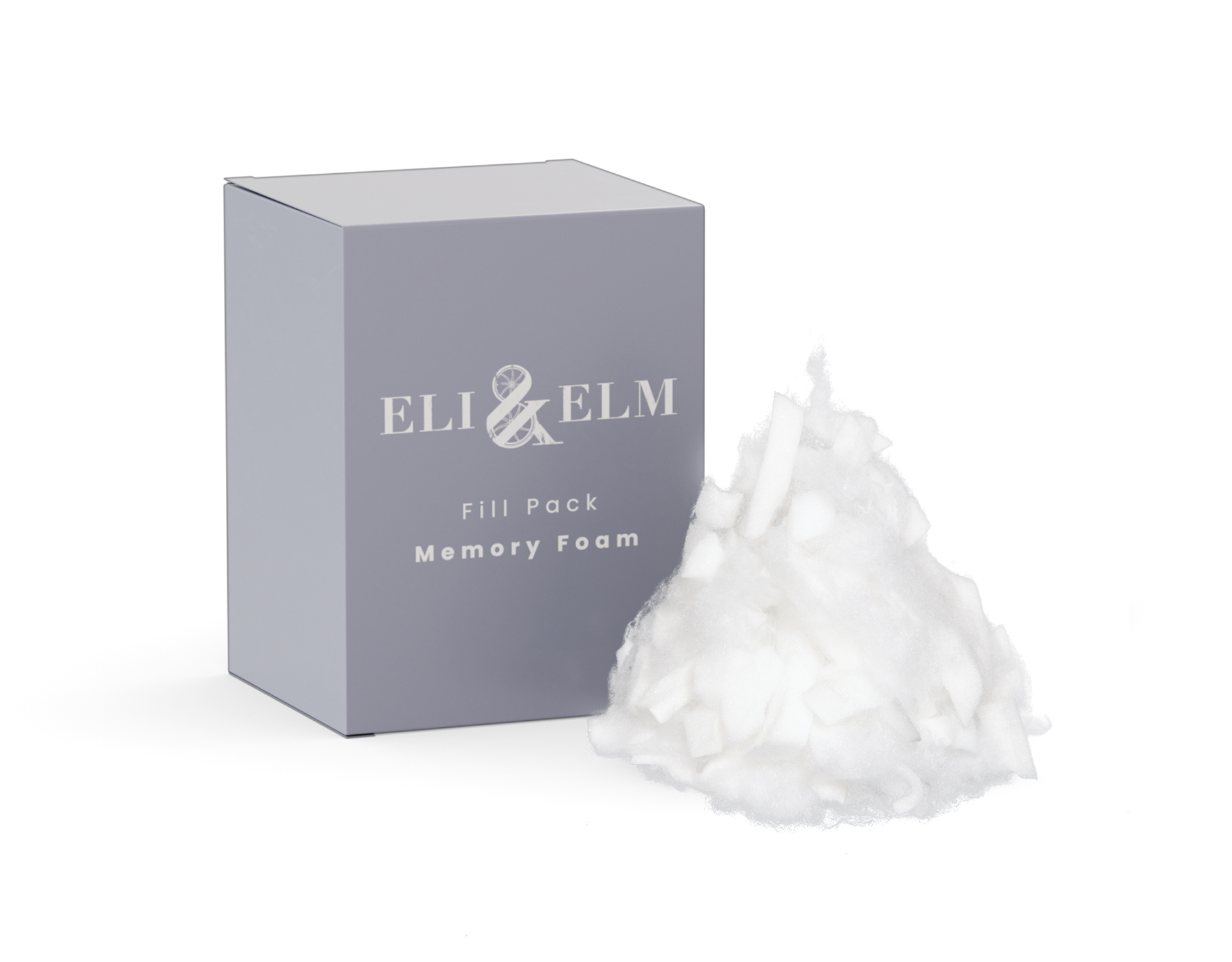
Memory Foam Fill
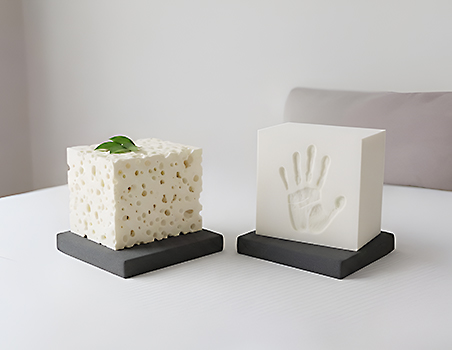
Memory foam is a soft and cushiony material that can easily shape itself around your head and neck when you rest on it. It is also responsive to your body heat and pressure, which molds according to your position.
During travel, memory foam supports and cradles your neck and reduces strain and stiffness. It's specifically helpful on long journeys where you stay in one position for hours, as it keeps your head from falling awkwardly and aligns your head properly.
Latex Fill
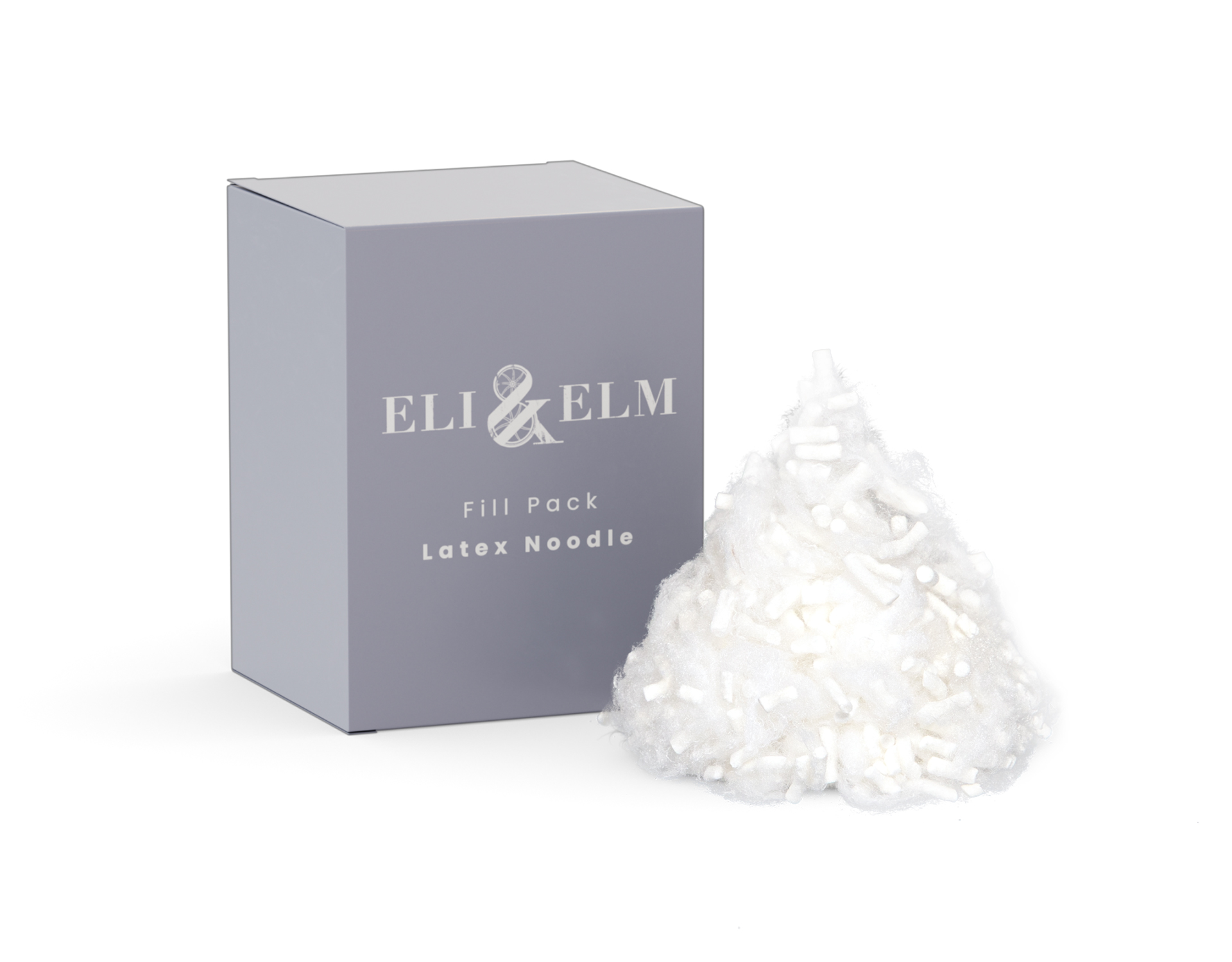
Latex is naturally responsive and springy. It provides contouring support to your neck and maintains its shape. Latex travel pillows will adjust to your movements throughout the night; therefore, if you tend to change positions frequently while sleeping, then a latex pillow would be ideal for you. Latex is also more breathable, allowing air to pass through easily to keep you cool and comfortable during travel.
Inflatable Travel Pillow
Inflatable travel pillows are exceptionally lightweight and compact to take with you. You can also adjust their softness by controlling how much air you put in them, making them a fantastic alternative for people who like to pack light and want a little flexibility.
Micro-Fill and Poly-Fill Pillows
Micro-filling and polyester fiber fillings provide a soft and plush pillow. Microfibers are softer than memory foam but offer more comfort and slightly less structural support.
Types of Travel Pillow Shapes
U-Shaped Sleeping Pillows
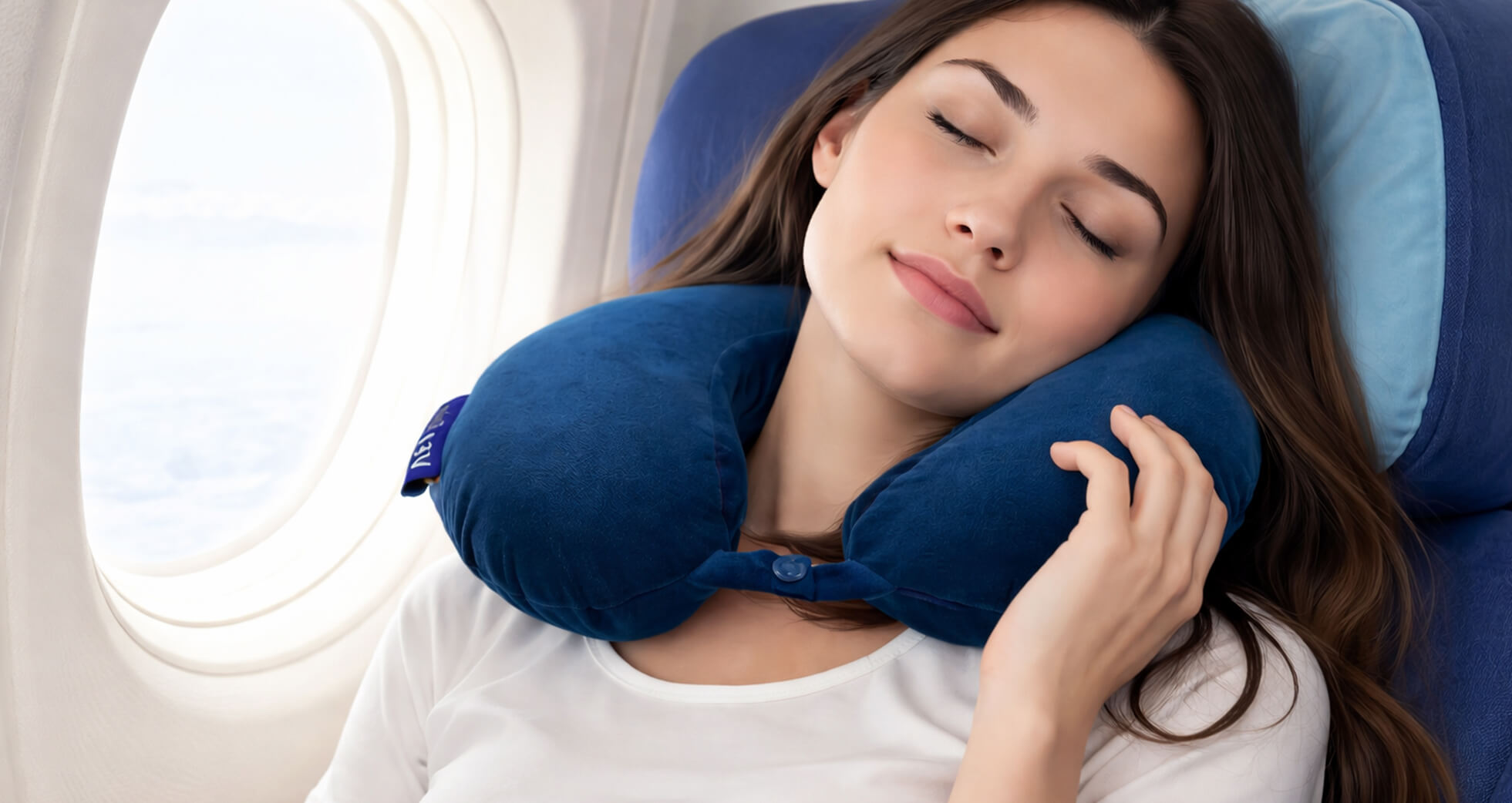
The most recognized and classic design of neck pillows, U-shaped pillows encircle your neck to prevent your head from tilting to the side, which is why they are particularly effective for upright sleep while traveling by plane or car.
The J-Pillow: Best for Side Sleepers
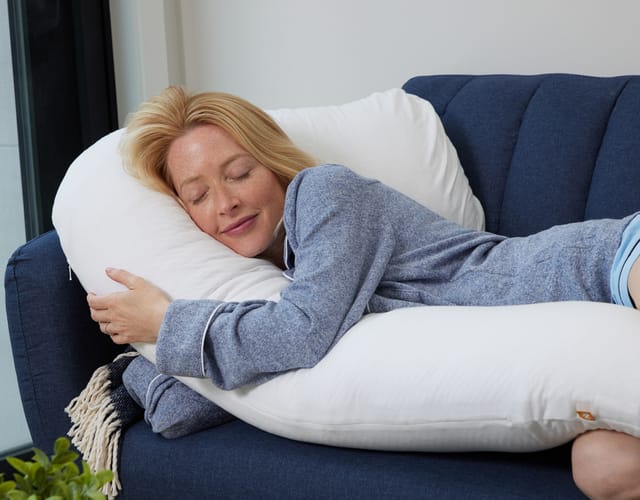
For people who think traditional "U-shaped" pillows are useless, the J-Pillow is revolutionary. Its distinctive "J" shape simultaneously supports the side of your head and hooks under your chin.
Advantage: It prevents your head from falling forward, which is a common reason you wake up in midair.
Scarves and Wrap-around Pillows
Scarves and wrap-around pillows are flexible, as they can wrap around your neck and provide customized support. This particular feature is especially useful for active, traveling sleepers because these pillows can adjust easily with their movement and provide neck support even when they shift positions frequently.
Pillows with multiple purposes/conversions
Convertible/multipurpose pillows can also easily be adjusted into different shapes (e.g., neck pillow, lumbar support, or traditional cushion). This allows them to provide flexible support for whatever type of travel situation you are in.

Key Features to Look for Before You Buy
When selecting a travel pillow, focus on these key factors:
Material and Breathability
Some fabrics feel luxurious, while other materials provide comfort, until you factor in the heat. So if plush velour makes you sweat excessively during sleep, be sure to use a different type of pillowcase. Select ones that contain breathable composite materials.
Portability and Weight
If you are a traveler who travels only with your carry-on, each square inch counts. Check which travel pillow manufacturers offer models with compression sacks or clips that let you attach the pillow to the outside of your backpack.
Choose the Right Shape
You can use many different types of travel pillows depending on how you sleep.
- U-shaped pillows provide simple neck support
- Wrap-around or J-shaped pillows provide better support when sleeping with your neck tilted to one side, with your chin resting on the pillow
- Lumbar or rectangular-shaped pillows provide back support
When selecting a travel pillow, choose one that will prevent your head from sliding to either side or moving forward.
Support & Ergonomics
For long trips, an ergonomic or adjustable travel pillow will help keep your head and neck aligned, as well as reduce strain and provide greater comfort.[3]
Fabric & Breathability
For a length of time and for those who are traveling to hot-climate areas, look for travel pillows that have soft, breathable covers (cotton or velour material) to reduce sweating and discomfort.
Washability & Hygiene
Airplanes attract many germs. Always check that your travel pillow has an easy-to-remove, machine-washable cover. You can wash away any odors and germs from it when you return home.
Adjustability
Some types of travel pillows can be adjusted with straps or toggles to help get the right fit, which also contributes to improved support and helps keep your neck’s position secure.
Expert Tips: How to Actually Sleep on a Plane with a Travel Pillow

The "Backwards" Hack
The majority of people use a U-shaped pillow with the opening facing the front. By using the thick side of the pillow under your head, you will keep your chin from being pushed down toward your chest. It helps eliminate neck pain from sleeping.
Leverage the Window Seat
If possible, book the window. You'll have a wall to rest your pillow against. Others will disturb you less often when they need to use the bathroom in the middle of the flight.
Combine with Noise-Canceling Gear
Using a pillow will help to ease any discomfort associated with sleeping. However, pairing that pillow with noise-cancelling headphones and a contoured eye mask will allow you to completely lose yourself in sleep.
Travel Pillow Maintenance: Making It Last
How to Clean Your Pillow?
- Memory Foam: Do not attempt to wash the foam in your machine, as it can cause damage. You may, however, spot clean it with a moist towel. If your travel pillow comes with a removable cover, you may be able to remove the cover and wash it separately. Check the care tag for washing instructions.
- Inflatables: After each use, you should use an antibacterial wipe to clean an inflatable travel pillow.
- Covers: You may wash your covers in cold water using a gentle cycle to prevent any potential shrinking. Always double-check the manufacturer’s care instructions before tossing the cover in the washing machine.
When to Replace Your Pillow?
If you find that either your memory foam is developing a permanent indentation where you sleep or your inflatable pillow loses air frequently while traveling, you should look for replacement pillows. Generally speaking, high-quality travel pillows should have a lifespan of 2–4 years based on normal usage.

Final Thoughts
More than just being a soft accessory, a travel pillow is also an investment in both your well-being and overall travel experience. Your decision about which type of travel pillow to get will ultimately impact how you arrive at your travel destination. With the right choice, you will feel alert and prepared to embark on a journey of exploration.
Sources
- “Ultimate Guide to the Travel Neck Pillow...”—Daily Dream Travel, Dec 25, 2025 https://www.dailydreamtravel.com/travel-neck-pillow/
- “Travel Etiquette in 2026…”—Cabeau, Apr 7, 2026 https://cabeau.com/blogs/news/travel-etiquette-in-2026-what-americans-love-hate-and-can-t-travel-without
- “Ergonomic Consideration in Pillow Height…”—National Library of Medicine, Oct 07, 2021 https://pubmed.ncbi.nlm.nih.gov/34683013/