

Dyspnea, commonly described as shortness of breath, is a symptom that can range from mild discomfort to a serious medical emergency. Many people experience shortness of breath at some point in their lives, whether during physical exertion, illness, or periods of stress.
However, persistent or unexplained dyspnea should never be ignored. In this guide, we’ll explain what dyspnea is, its most common causes, symptoms, how it’s diagnosed, available treatment options, when to seek medical help, and how dyspnea can affect sleep and overall quality of life.
What Is Dyspnea?
Dyspnea is the medical term for difficulty breathing or the sensation of not getting enough air. It may feel like tightness in the chest, rapid breathing, shallow breaths, or an overwhelming need to inhale deeply.
Dyspnea can be:
- Acute, appearing suddenly and lasting minutes to hours
- Chronic, persisting for weeks or months
The sensation varies widely between individuals and depends on the underlying cause.
Acute vs. Chronic Dyspnea
Understanding the type of dyspnea helps guide diagnosis and treatment.
Acute Dyspnea
Sudden onset of shortness of breath may be caused by:
- Asthma attacks
- Allergic reactions
- Pulmonary embolism
- Pneumonia
- Panic attacks
Acute dyspnea can be life-threatening and often requires immediate medical evaluation.
Chronic Dyspnea
Ongoing shortness of breath lasting more than four weeks is often associated with:
- Chronic obstructive pulmonary disease (COPD)
- Heart disease
- Obesity
- Anemia
- Long-term lung conditions
Common Symptoms of Dyspnea
Shortness of breath may present differently depending on severity and cause. Common symptoms include:
- Rapid or shallow breathing
- Chest tightness
- Feeling of air hunger
- Wheezing or coughing
- Fatigue during minimal activity
- Difficulty speaking in full sentences
- Increased heart rate
Severe symptoms such as bluish lips, confusion, or chest pain require urgent medical care.
What Causes Dyspnea?
Dyspnea is a symptom, not a disease itself. It can originate from several body systems.

Respiratory Causes
Lung-related conditions are among the most common causes of dyspnea.
- Asthma
- Chronic obstructive pulmonary disease (COPD)
- Pneumonia
- Pulmonary fibrosis
- Lung infections
- Collapsed lung
These conditions interfere with airflow or oxygen exchange.
Cardiovascular Causes
Heart conditions may reduce the body’s ability to circulate oxygenated blood.
- Heart failure
- Coronary artery disease
- Arrhythmias
- Cardiomyopathy
- Valvular heart disease
Dyspnea related to heart conditions often worsens when lying flat or during physical activity.
Metabolic and Blood-Related Causes
Some systemic conditions reduce oxygen delivery.
- Anemia
- Thyroid disorders
- Electrolyte imbalances
When oxygen transport is impaired, breathing becomes more labored even at rest.
Psychological Causes
Mental health conditions can also cause dyspnea.
- Anxiety disorders
- Panic attacks
- Chronic stress
In these cases, breathing difficulty may occur despite normal lung and heart function.
Lifestyle and Environmental Factors
- Obesity
- Poor physical conditioning
- Smoking
- Exposure to air pollution or allergens
These factors can exacerbate or contribute to breathing difficulties.
How Is Dyspnea Diagnosed?
Diagnosing dyspnea involves identifying the underlying cause rather than treating the symptom alone.
Doctors may begin with:
- A detailed medical history
- Physical examination
- Assessment of symptom onset and triggers
Common diagnostic tools include:
- Pulse oximetry to measure oxygen levels
- Chest X-ray or CT scan
- Pulmonary function tests (spirometry)
- Blood tests
- Electrocardiogram (ECG)
- Echocardiogram
The diagnostic process helps rule out serious conditions and guide appropriate treatment.

Treatment Options for Dyspnea
Treatment depends entirely on the cause of shortness of breath.
Medical Treatments
- Bronchodilators or inhalers for asthma and COPD
- Antibiotics for infections
- Diuretics for heart failure
- Oxygen therapy in severe cases
Lifestyle and Supportive Measures
- Smoking cessation
- Weight management
- Pulmonary rehabilitation
- Breathing exercises
- Improving cardiovascular fitness
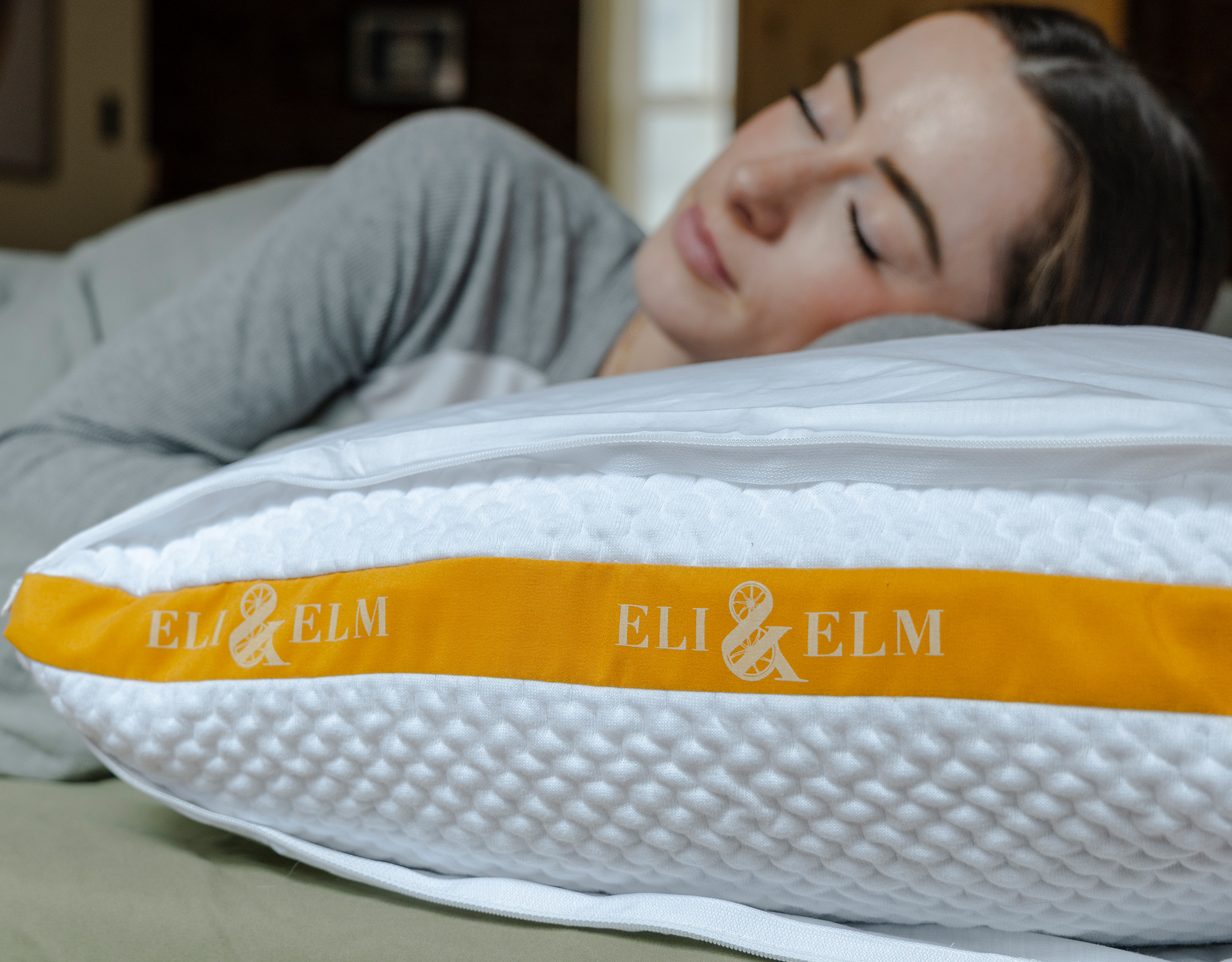
Treating underlying conditions often leads to significant improvement in symptoms. Mindful breathing techniques and meditation are recommended for improved sleep. Supportive pillows can ease nighttime breathing discomfort, preferably an ergonomic pillow for neck and airway alignment.
Can Dyspnea Affect Sleep?
Yes. Dyspnea frequently interferes with sleep and nighttime breathing.
People with dyspnea may experience:
- Difficulty falling asleep
- Frequent awakenings due to breathlessness
- Orthopnea (shortness of breath when lying flat)
- Reduced sleep quality
Poor sleep can worsen fatigue, anxiety, and overall health, creating a cycle that further aggravates dyspnea. Sleep apnea and other sleep-related breathing conditions are also associated with dyspnea.
Dyspnea and Sleep Position
Certain sleeping positions may influence breathing comfort.
- Elevating the upper body can help reduce nighttime breathlessness
- Side sleeping may improve airway openness for some individuals
- Proper head and neck support can promote easier breathing during sleep
While sleep adjustments don’t treat the cause of dyspnea, they may provide symptom relief.
When Should You See a Doctor?
Seek medical attention if dyspnea:
- Appears suddenly or worsens rapidly
- Occurs at rest
- Is accompanied by chest pain, fainting, or bluish lips
- Interferes with daily activities
- Persists without a clear cause
Early evaluation can prevent serious complications.
Can Dyspnea Be Prevented?
While not all causes are preventable, certain steps reduce risk:
- Maintain a healthy weight
- Avoid smoking and secondhand smoke
- Manage chronic conditions effectively
- Stay physically active
- Minimize exposure to air pollutants
Preventive care plays a key role in long-term respiratory and cardiovascular health.
Tips for Better Sleep with Dyspnea
- Elevate your upper body using the right pillow or an adjustable bed to reduce breathlessness when lying down
- Sleep on your side to help keep airways open and reduce nighttime breathing discomfort
- Use proper neck and head support to maintain airway alignment throughout the night
- Practice slow, controlled breathing before bed to calm respiratory rate and reduce anxiety
- Keep your bedroom air clean by minimizing dust, allergens, and strong scents
- Maintain a cool, well-ventilated room to prevent feelings of air hunger
- Avoid heavy meals, alcohol, and smoking before bedtime, as they can worsen breathing issues
- Follow a consistent sleep schedule to improve overall sleep quality and reduce nighttime awakenings
- Manage underlying conditions as advised by a healthcare professional to prevent nighttime symptom flare-ups
- Seek medical advice if shortness of breath regularly disrupts sleep or worsens at night

Final Thoughts
Dyspnea is a common yet complex symptom with many possible causes. While occasional shortness of breath may be harmless, persistent or worsening symptoms should never be ignored.
Understanding the causes, recognizing warning signs, and seeking timely medical care can significantly improve outcomes and quality of life. Addressing lifestyle factors and supporting healthy sleep habits may also help manage symptoms more effectively.
Content Purpose: Educational information, not a substitute for professional medical advice