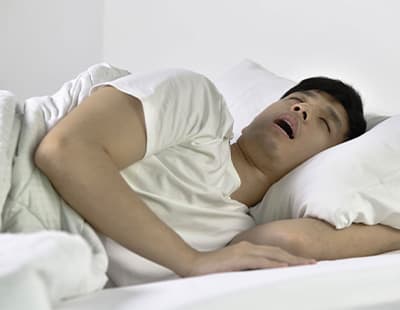
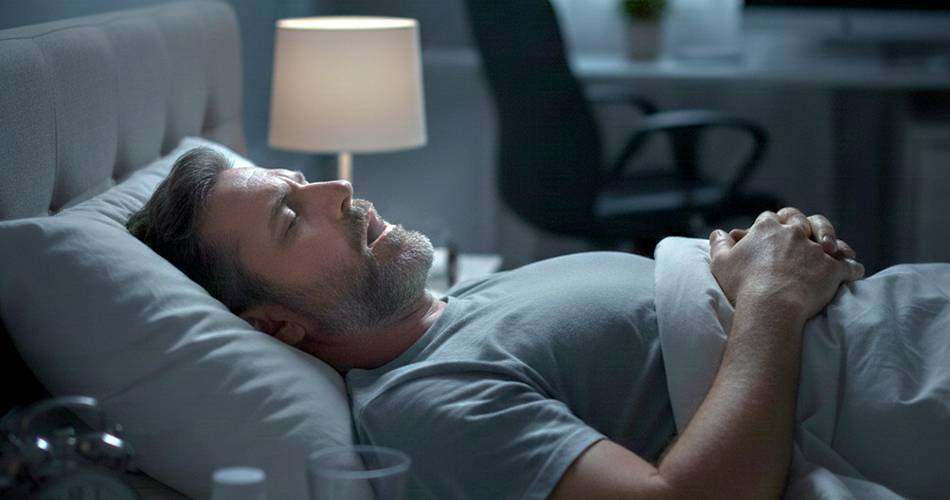
Sleep can seem serene - that is, until your breath gives it away. Hypopnea, a sleep-disordered breathing event, is a lesser-known, yet potentially more serious thing to consider: events of shallow breathing for at least 10 seconds leading to a decrease in airflow of 30% or greater.
Hypopnea is an important aspect in diagnosing obstructive sleep apnea through the apnea-hypopnea index (AHI), which measures events of breathing cessation. Here's the startling truth: up to 90% of adults diagnosed with moderate to severe sleep apnea have no formal diagnosis.
While sleep apnea affects a large population of individuals, hypopnea also greatly contributes to daytime fatigue, trouble with focus, as well as potential long-term implications like hypertension, strokes, and heart disease.
What is Hypopnea?
The Greek roots hypo (meaning low, under, beneath, down, below normal) and pnoia (meaning breathing) are combined to form the word hypopnea. Hypopnea belongs to the same family of sleep disorders as sleep apnea.
Hypopnea is characterized by a 30-percent decrease in ventilation, a decrease in oxygen saturation, and a decrease in airflow for at least 10 seconds in respirations.
As a result, your red blood cells receive less oxygen. Although it can happen during the hours that you are awake, hypopnea usually happens at night while you are sleeping.
Although there are two primary forms of hypopnea, it can be challenging to differentiate them clinically from apnea, which is the complete cessation of breathing.
Types of Hypopnea
Hypopneas come in three varieties. Although all hypopneas are episodes of shallow breathing, different types may require different approaches to treatment due to their varying causes. Medical practitioners may find it challenging to determine the specific form of hypopnea a patient is experiencing, though.
- Obstructive hypopnea: Hypopnea episodes are deemed obstructive when they result from a partial obstruction of the airway. Obstructive sleep apnea frequently has these.
- Central hypopnea: In addition to blocked airflow, a decreased effort to breathe can also result in hypopnea episodes. These central hypopneas, which are common in central sleep apnea, can be brought on by certain drugs and brain stem issues.
- Mixed hypopnea: This type of hypopnea occurs when a person's breathing attempts and airflow are both reduced. A person receiving treatment for obstructive sleep apnea may develop mixed hypopneas, which are most common in a type of central sleep apnea.
Sleep Apnea vs Hypopnea
An apnea is a total stop in breathing, whereas a hypopnea is a period of shallow breathing. Apneas and hypopneas are both regarded as breathing events. A variety of breathing disorders related to sleep are collectively referred to as sleep apnea.
When a person has more hypopneas and apneas than is deemed normal, they are frequently diagnosed with either central or obstructive sleep apnea. The cause of the apneas and hypopneas determines the type of sleep apnea diagnosis that is made.
Even though apneas are typically thought to be more severe than hypopneas, research indicates that the risk factors for cardiovascular disease and other illnesses are similar for both conditions. Experts in sleep point out that there isn't a recognized clinical basis for distinguishing between them at this time.
Hypopnea symptoms
Similar to apneas, hypopneas can result in the same symptoms as sleep apnea:
- Noisy snoring
- Oversleeping during the day
- Upon waking, feeling unrefreshed
- Getting up in the middle of the night to use the restroom
- Gasping or choking while you're asleep
- Headaches in the morning
- Sexual dysfunction
- Disturbances in mood
- Persistent congestion of the nose
- Gaining weight
Snoring and choking are two symptoms of sleep-disordered breathing that can interfere with a partner's sleep. According to anecdotal evidence, apnea and hypopnea symptoms are occasionally only identified when a person with the disorder's bed partner complains about their snoring and requests an evaluation.

Causes of Hypopnea
As your baby becomes more active, their kicks and movements may wake you up or make it difficult to go back to sleep.
- Upper airway obstruction – Airflow during inhalation and exhalation is limited due to partial obstruction of passages of the airway passages.
- Obstructive sleep apnea (OSA) – Tissues in the throat collapse during sleep and limit airflow through the airway.
- Central sleep apnea (CSA) – The brain is not sending appropriate signals to stimulate breathing.
- Obesity – Extra body fat surrounding the neck and chest compresses pressure in the airway and pressure on the lungs.
- Enlarged tonsils or adenoids – Excess tissue narrows the airway, particularly in children.
- Nasal congestion or blockage – Fluid or swelling of the nasal passages limits airflow.
- Deviated nasal septum – A deviated wall of cartilage in the nose decreases airflow through the nasal passages.
- Relaxed throat muscles – Throat muscles collapse inwards and narrow the airway space.
- Alcohol consumption – Airway muscles relax and reduce the depth and rate of breathing.
- Taking sedatives or opioids – Suppresses the respiratory drive and limits the depth of breathing.
- Neuromuscular conditions -Weak muscle groups reduce airflow efficiency.
- Brainstem injuries/dysfunction - Breathing control center is disrupted from the normal breathing rhythm.
- COPD – Airways damage reduces airflow in and out of the lungs.
- Heart failures / dysfunction - Poor circulation affects oxygen delivery to body tissues and your breathing pattern.
- Sleeping in the supine (on back) position – Gravity causes the tongue and soft tissue to displace, blocking the airway.
- Smoking – Causes inflammation and increased mucus production, restricting the airway.
- Allergic rhinitus – Swelling of the nasal tissue makes breathing more difficult.
- Hormonal changes – Changes in hormonal changes affect the neuromuscular control of the respiratory muscles.
- High altitudes – Low oxygen concentration affects breathing pattern stability.
- Aging – Loss of muscle tone increases airway collapse while sleeping.
Diagnosis of Hypopnea
When a physician suspects sleep disordered breathing, they assess risk factors, inquire about general health and sleep history, and may even perform an examination.
Nevertheless, without first requesting a sleep study, a physician is unlikely to determine that there is a rise in hypopneas. The gold standard for diagnosing sleep apnea disorders is a sleep study, also called polysomnography.
Role of a Sleep Study (Polysomnography)
A sleep study provides sleep specialists with important information about the frequency of apnea or hypopnea episodes, their duration, and the stage of sleep in which they occur. Additionally, sleep studies help medical professionals determine whether a patient has central or obstructive sleep apnea
Home Sleep Apnea Testing
While some people use home sleep apnea testing, the majority of sleep studies take place in specialized clinics. Although they don't gather as much information as polysomnography, home sleep apnea tests can be performed in a person's home.
According to the American Academy of Sleep Medicine, home sleep apnea testing should only be performed on individuals who are free of other medical conditions and who have an increased risk of developing moderate to severe obstructive sleep apnea
Treatment of Hypopnea
Doctors usually treat sleep-disordered breathing issues, which often include an increased number of hypopneas, with a combination of lifestyle changes and continuous positive airway pressure (CPAP) therapy.
Lifestyle changes may include:
-weight loss
-reducing alcohol intake
-changing sleeping position
-quitting smoking
CPAP Therapy
CPAP therapy is the preferred treatment for obstructive sleep apnea, and is also often used to treat central sleep apnea. CPAP machines deliver pressurized air via a hose and mask during sleep, keeping the airway open and reducing or preventing hypopnea events.
Successful treatment with a CPAP machine can have a profound positive impact on quality of life, as well as reduce blood pressure levels and risk of cardiovascular disease.
Other Treatment Options
In addition to these conventional therapies, surgery or an oral appliance may be used to treat obstructive sleep apnea.
Oral appliances: Hold the jaw and tongue forward to open the airway.
Surgical options: Various procedures are available to reduce or eliminate airway obstructions.
Apnea-Hypopnea Index (AHI)
A tool used to diagnose and grade the severity of obstructive sleep apnea is the apnea-hypopnea index (AHI). It indicates the frequency with which your breathing slows or stops over the course of an hour of sleep.
An AHI may appear on a CPAP machine or following a sleep study. The frequency of apnea and hypopnea episodes per hour is measured by AHI. The frequency of these disruptions increases with the severity of sleep apnea.

How is the apnea-hypopnea index determined?
When your provider collects this information to determine the AHI, it's called a sleep study. The purpose of this overnight test is to monitor and document the functioning of your body's systems while you sleep.
Sleep studies can be conducted at home or in a sleep lab. Although home studies are easier to conduct, the data they yield is not as comprehensive.
The severity of adult apnea and hypopnea episodes is categorized by the American Academy of Sleep Medicine using a range:
- Mild: Five to fifteen events per hour or less
- Moderate: 15 to 30 events per hour or less
- Severe: at least thirty occurrences per hour.
This computation will be used by your healthcare provider to assess the severity of your sleep apnea.
When to See a Doctor?
If you notice persistent symptoms that indicate disrupted sleep breathing, advise a doctor. Symptoms include:
- Loud, frequent snoring
- Breathing pauses observed by a partner
- Excessive daytime sleepiness or fatigue
- Headaches in the morning
- Difficulty with concentration
- Waking early in the pain, gasping or choking
- Sleep that does not leave you refreshed despite enough time in bed.
You should also seek medical attention if you have risk factors such as obesity, high blood pressure, heart disease, or a family health history of sleep apnea. If symptoms worsen or start to affect your daily life, work performance, or mood, it is especially important to seek early evaluation.
If any department reports these symptoms to a sleep specialist, they will make a decision on whether the sleep study is necessary and offer treatment recommendations.

Final Thoughts
While hypopnea may appear mild, the effects on sleep and long-term health long term can be very serious. Spotting the symptoms and obtaining a correct sleep study could change everything. With the correct treatment, from lifestyle changes to CPAP to other treatments, you may decrease your daytime sleepiness and improve your quality of life.