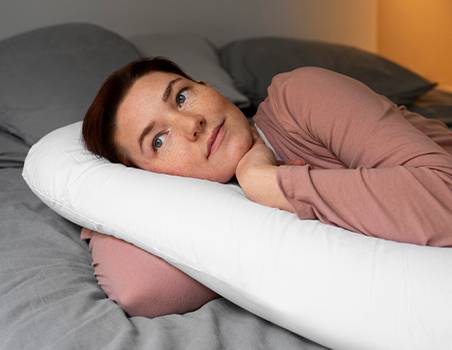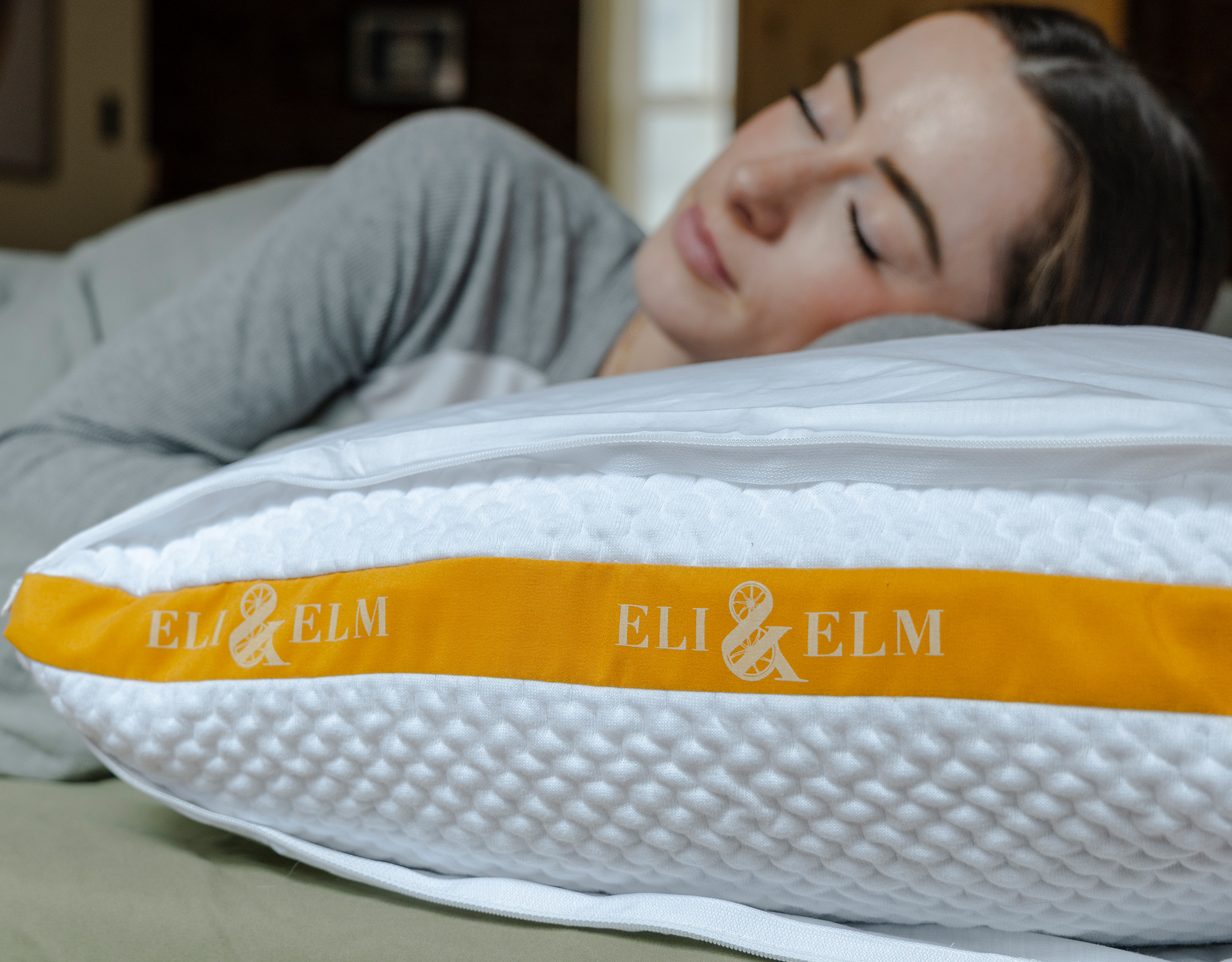


Sleeping on the side is the most popular sleeping position among people, but sleeping on the side can put extra stress on your spine, neck, and shoulder compared to other positions.
If you choose to use a poor-quality pillow for support while sleeping on your side, you may end up experiencing neck stiffness, discomfort in your shoulders, tossing and turning all night, and waking up after a bad night’s sleep.
In this guide, you will find answers about side sleepers' pillows, along with definitions for loft, firmness, materials, and size, so that you can have an enjoyable night’s sleep and wake invigorated.
Why Do You Need a Side Sleeper Pillow?
Side sleeping results in space created by the difference between one's shoulder and head widths, creating space under the head. With a too-low pillow, the head tends to droop down towards the bed, while sleeping on a pillow that is too high tends to elevate the head above the best position. In both situations, the neck will be under additional strain.
A side-sleeping pillow should:
- Fill this shoulder-to-head space
- Position the head, neck, and spine in a neutral alignment with each other
- reduce pressure on the shoulder and jaw areas and,
- Maintain the same shape while being slept upon.
What Makes a Pillow Good for Side Sleepers?
Rather than looking at any single feature when selecting the best side sleeper pillow, it is best practice to select a balanced combination of loft, firmness, size, and material.
| Factor | Why It Matters |
|---|---|
| Loft (Height) | Fills the shoulder gap and prevents neck tilt |
| Firmness | Prevents the pillow from collapsing overnight |
| Pillow Size | Provides enough surface area for movement |
| Material | Affects support, cooling, and durability |
Best Loft for Side Sleepers
Loft is one of the most critical features for a side sleeper.
The Ideal Loft
Generally speaking, side sleeper pillows should have a medium-to-high loft between four and six inches.
Loft Levels Affect Sleep Comfort
Low Loft—Neck bent down
High Loft—Neck tilted up
Optimal Loft—Spine Neutral
Importance of Mattress Firmness
Soft—Medium Loft (sinks in deeper)
Firm—High Loft (less sink, requires more height)
Firm vs. Soft Pillows for Side Sleepers
| Firmness | Best For | Notes |
|---|---|---|
| Medium-Firm | Most side sleepers | Balanced support and comfort |
| Firm | Broad shoulders | Prevents collapse |
| Soft | Rare cases only | May flatten too much |
Side sleepers generally benefit from medium-firm to firm pillows that hold their shape overnight.
Best Pillow Size for Side Sleepers
| Pillow Size | Why It Works |
|---|---|
| Queen | Balanced size for movement |
| King | Extra width for shoulder support |
| Standard | Works for smaller frames only |
Larger pillows help prevent your head from slipping off during the night and provide better shoulder cushioning.
Best Pillow Materials for Side Sleepers
Memory Foam - highly supportive with excellent shape retention. Great for people whose necks and shoulders require proper alignment and want a firm, supportive, and consistent feel.
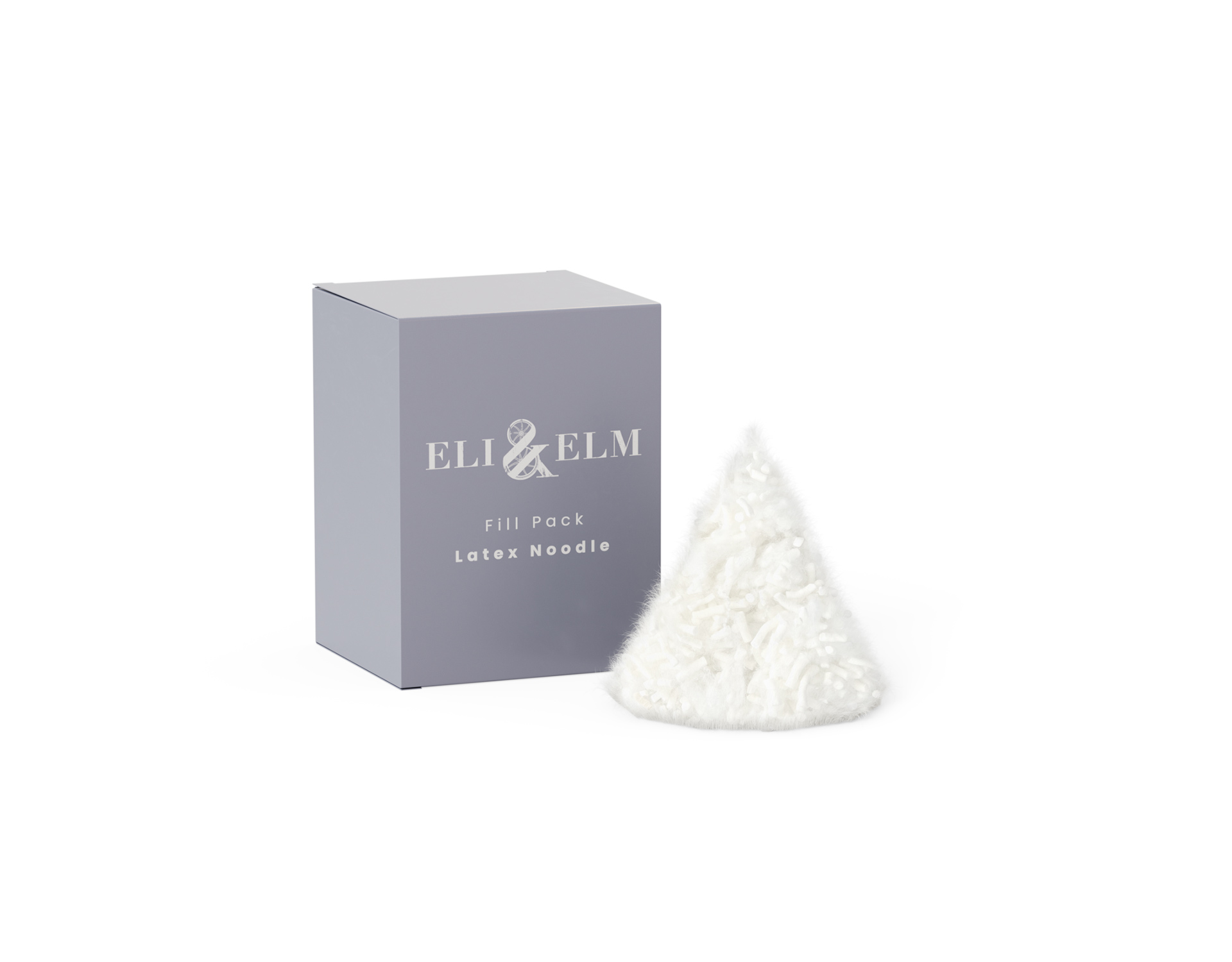
Latex - very responsive and breathable. The medium-firm feel is excellent for sleepers who prefer a supportive feel but dislike the sinking sensation.
Down & Feather - soft and moldable; best suited to those with a preference for low-loft pillows; requires regular fluffing.
Adjustable Pillows - loft easily adjustable, great option for combination sleepers, adjustable to both the sleeper's shoulder width and mattress.

Side Sleeper Pillow Comparison (Quick View)
| Pillow Type | Support | Loft Control | Best For |
|---|---|---|---|
| Memory Foam | High | Fixed | Neck & shoulder support |
| Latex | Medium-High | Fixed | Balanced comfort |
| Adjustable | Variable | Adjustable | Custom fit |
| Down/Feather | Low-Medium | Manual | Soft feel lovers |
Common Side Sleeper Pillow Mistakes
Many edge-sleepers suffer discomfort even after purchasing a quality pillow because of a handful of common errors; correcting them can lead to improved comfort and alignment during sleep.
Using an inappropriate loft of a pillow
When a pillow is flat, the head will drop towards the mattress, causing the neck to bend downwards and create pressure at the shoulders.
Selecting a thick, lofted pillow
When a pillow is much too thick, the head will lift, causing an increased amount of strain and tension on the neck and upper back.
Ignoring proper shoulder size
Side-sleepers with wider shoulders need a much higher lofted pillow to support the head and neck properly. A "one size fits all" type pillow generally does not meet the requirements for this category.
Retaining an older or flattened pillow
As pillows age, the material will break down over time and typically will have lost the original support and comfort that was present initially.
Matching pillow size to bed, not body
Selecting a pillow based on the mattress size and not on your sleeping position or body type will often result in the pillow not supporting you properly.
How Often Should Side Sleepers Replace Their Pillow?
Side sleepers typically need to replace their pillows every 18-24 months, depending on how much they use their pillow, what material it is made from, and their sleep habits.
There are several reasons why you should consider replacing your pillow regularly:
Loft Loss: Side sleepers depend on both height and firmness for maximum support. When a pillow has flattened out, it no longer provides adequate support for the gap between the shoulders and the head.
Reduced Support: As time goes by, the materials that a pillow is made from break down; therefore, a pillow may look okay when, in fact, it no longer provides the level of support that it once did.
Declining Comfort: Frequent need to toss and turn or make adjustments during the night, as well as waking up with soreness or stiffness, are all good indicators that it is time to replace the pillow.
Replacement Schedule by Pillow Type
- Foam - Approximately 2 to 3 years
- Latex - Approximately 3 to 4 years
- Feather/Down - Approximately 1 to 2 Years
- Polyester - Approximately 6 to 18 months
Signs of a Pillow That Needs To Be Replaced
- Pillow doesn't fluff up
- Lumpy/uneven appearance
- You have to keep repositioning your pillow
By making sure you always have a new pillow on hand, you will be able to create the same level of comfort and support as the last pillow provided when you were sleeping on your side.

Final Thoughts
Choosing a pillow for side sleepers is not about softness but more about alignment, support, and consistent fill under the head. When the pillow correctly fills the shoulder gap, it provides more support to the neck, creating deep, comfortable, and uninterrupted sleep.
Using this information as a reference, evaluate your current sleeping pillow or make a confident choice when selecting a new pillow that fits your sleeping style.