

Filling for a pillow can have a significant influence on sleeping practices, how comfortable the neck stays while sleeping, how warm or cool the sleeper remains, and how long the pillow will last before needing to be replaced. There are various types of pillow fillings available in the market that you can choose from.
By understanding the various pros and cons of the various types of filling material, you will be able to choose a pillow that will keep you from losing sleep, developing a sore neck, and having to purchase a new pillow sooner than necessary.
This article will present a list of the top ten types of pillow filling, discuss the pros and cons of each type of filling, and give you guidelines to use to help you select the right pillow suited to your sleeping position, comfort preference, and lifestyle.
Quality Sleep Starts with Quality Materials in your Pillow
- A good filling provides proper support to the head and neck regardless of the sleeping position of the sleeper.
- Good quality fillings will distribute weight evenly across the surface of the pillow to reduce pressure points and to help with back and neck pain upon awakening.
- A well-formed pillow maintains its shape, provides comfortable and restful sleep, and lasts a long time.
- Hypoallergenic fillings resist dust mites and allergens, well suited for people with allergies.
- Some pillows are designed for particular sleep habits such as back sleeping or side sleeping, allowing for a personalized sleeping experience.
- Breathability of the filling will assist with regulating body temperature during sleep and will also help regulate heat during sleep.
When a pillow has the wrong type of filling in it, the sleeping experience will be negatively impacted due to poor posture and will cause sleeping disturbances. When a pillow has the correct type of filling, it helps you maintain excellent posture during sleep and aids you in achieving a deeper, more restful sleep.

Pillow Fillings: Comparative Table
| Pillow Filling | Support Level | Breathability | Best for Sleepers | Lifespan |
|---|---|---|---|---|
| Memory Foam | High | Low–Moderate | Side, back | 2–3 years |
| Shredded Memory Foam | Adjustable | Moderate | Side, combo | 2–3 years |
| Down | Soft | High | Stomach, combo | 1–2 years |
| Feather | Medium | Moderate | Back, stomach | 1–2 years |
| Latex | Firm | High | Side, back | 3–4 years |
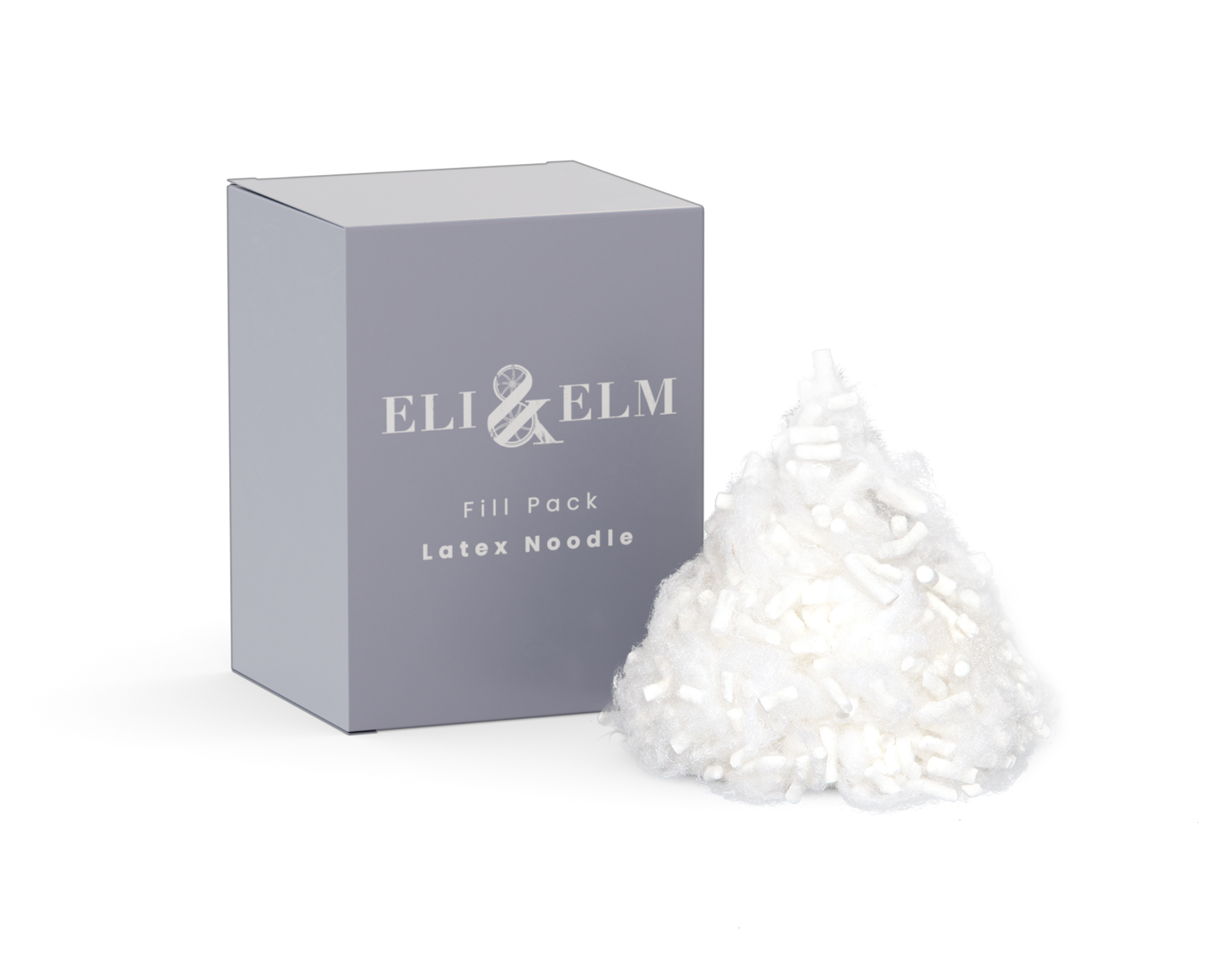
| Latex Noodles | Adjustable | High | Side, back | 4-5 years |
| Cotton | Medium | High | Hot sleepers | 1–2 years |
| Polyester Fiberfill | Low | Moderate | Budget sleepers | 6–12 months |
| Buckwheat Hulls | Very Firm | High | Back, side | 3+ years |
| Microbeads | Low | Low | Travel use | <1 year |
| Wool | Medium | High | Hot sleepers | 2–3 years |
1. Memory Foam Filling
Memory foam is popular for conforming to the shape of your head and neck, which helps provide much more contoured support that will keep your spine aligned.
| Pros | Cons |
|---|---|
| Great for pressure relief | Some solid memory foams can retain heat |
| Supports your neck and shoulders | Some solid memory foams may not allow for enough airflow |
| Keeps motion from transferring | May be too firm for some people to sleep well on |
Best for: Recommended for side and back sleepers who need consistent support.
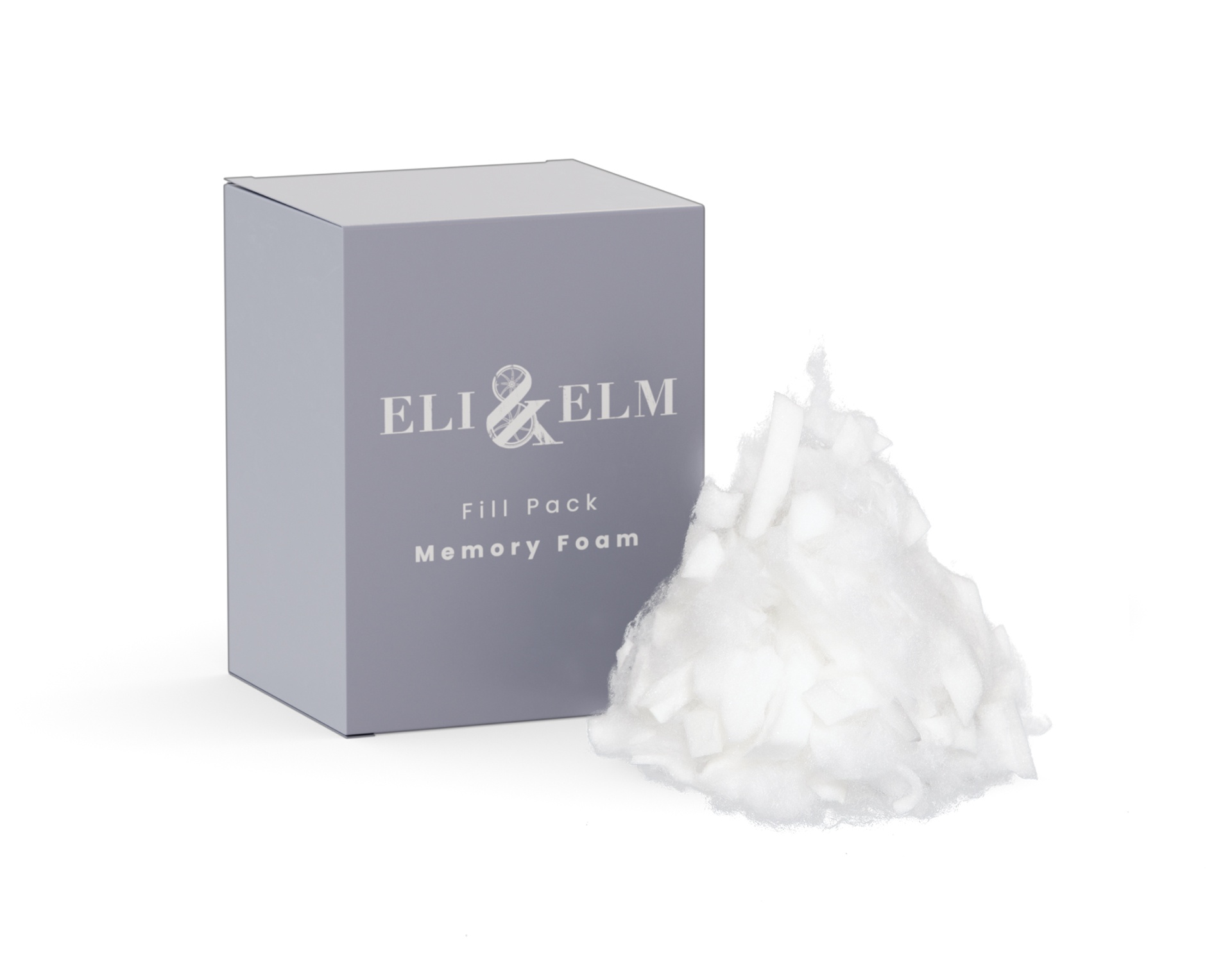
2. Shredded Memory Foam Filling
Memory foam in shredded form is so convenient for those who wish to adjust their pillows according to their requirements. You can simply add or reduce the filling from your pillow as per your desired pillow height.
| Pros | Cons |
|---|---|
| Height and firmness can be adjusted for individual needs | Regular fluffing required |
| Improved air circulation compared to a solid foam | Adjusting fill can be messy |
| Works for more than one sleeping posture |
Ideal for: people who change sleeping positions frequently as well as side-sleepers who want the option to customize their comfort level.
3. Down Filling
The soft feather under a bird’s flight feathers is known as down. Down pillows are incredibly fluffy and soft, allowing for a lightweight and comfortable sleeping experience. If you want support to alleviate stiffness and pain, Suffolk Down pillows are not for you.
| Pros | Cons |
|---|---|
| Soft | Provides very little support |
| Very lightweight | Not good for neck pain |
| Great airflow | Compresses easily |
| May cause allergies |
Best for: Stomach sleepers who prefer a soft mattress.
4. Feather Filling
Compared to down pillows, feather pillows have a firmer construction and provide better support.
| Pros | Cons |
|---|---|
| Affordable natural option | Allows for poke throughs in the fabric from feather quills |
| Moderate support | Will flatten easy |
| Excellent airflow | Not suitable for long-term neck support |
Best for: Back and stomach sleepers who need a pillow at a lower price point.
5. Latex Filling
A latex pillow provides an exceptionally supportive sleep system through natural resiliency and responsiveness while still providing excellent firm support with moderate firmness.
| Pros | Cons |
|---|---|
| Durable | Heavier than most |
| Naturally ventilate | High initial cost |
| Resistant against allergens |
Best for: Side sleepers and back sleepers who want firm, durable support.
6. Cotton Filling
Pillows made from cotton are a natural and environmentally friendly alternative to sleeping with synthetic materials.
| Pros | Cons |
|---|---|
| Highly breathable | Rapidly lose their shape |
| Lightweight/Natural | Less support for your neck than synthetic forms |
| Low Cost. |
Who should use this: Those that sleep hot and prefer pillow styles that are soft in feel.
7. Polyester Fiber Filling
Pillows made of synthetic fiberfill are affordable and easy to find.
| Pros | Cons |
|---|---|
| Very inexpensive | Short life expectancy |
| Very lightweight | Lacks support |
| Hypoallergenic (will not cause allergies) | Fill compression/bunching |
When will you use these the most: For temporary use or in a guest room
8. Buckwheat Hull Filling
Buckwheat pillows use natural buckwheat hulls that will conform to provide proper support for your head and neck.
| Pros | Cons |
|---|---|
| Great support | Heavy weight |
| Great airflow | Can be noisy when moving |
| Very durable | Will not conform to every person's individual preference for firmness |
When will you use these the most: for those who sleep on their sides or backs and need to maintain proper neck alignment.
9. Microbead Filling
Microbead travel pillows contain small plastic beads, which makes them popular as travel pillows.
| Pros | Cons |
|---|---|
| Light in weight | Not very strong |
| Mold to your shape | Only gives a small amount of support |
| Lacks breathability and can overheat |
Best for: People travelling or on holiday for a short period of time
10. Wool Filling
Natural wool is able to manage both temperature and moisture.
| Pros | Cons |
|---|---|
| Great temperature control | It feels heavy |
| Hypo-allergenic | Higher price |
| Long-lasting |
Ideal for: People who sleep hot and people who prefer natural fibers.
What Should You Consider While Buying the Best Pillow Filling For You
Pillow Filling Based on Sleeping Position
- Side Sleepers: Memory Foam or Shredded Memory Foam, Latex
- Back Sleepers: Latex, Buckwheat, Feather-Down
- Stomach Sleepers: Down, Shredded Memory Foam, Feather Down, Soft Cotton

Pillow Filling Based on Comfort
- If you have Neck Pain: Memory foam, latex, buckwheat
- If you are Hot While Sleeping: Cotton, wool, latex
- If You Have Allergies: Latex, polyester, wool
Choose Based on Maintenance
- Prefer low-maintenance pillows? Choose latex or memory foam
- Want washable materials? Look for cotton or fiber fill.
How Often Should You Replace Pillow Fillings?
- Synthetic pillows: every 6–12 months
- Natural fillings: every 1–2 years
- Latex or buckwheat: 3+ years with proper care

Final Thoughts
Finding the right pillow filling isn’t as easy as it may seem — there’s no one-size-fits-all solution. All of the factors listed above will determine what is best for you in terms of your individual sleeping style, how much support you need, your bedroom temperature, and your lifestyle.
Knowing how different pillow fillings perform allows you to make an educated purchase towards improving your sleep and your long-term overall comfort. Choosing the right filling for your pillow can help to relieve neck pain, improve spinal alignment, and give you the wonderful night's sleep you deserve.