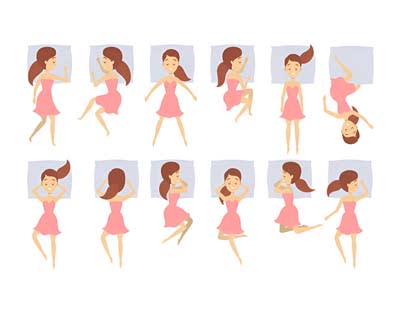
Finding the optimal sleeping position is important if you want to get a good night's rest. Your sleep posture greatly impacts the quality of sleep you get. This takes into consideration your spinal alignment and airway openings.
There are so many to choose from, however, so how do you know which one is the best sleeping position for you? This comprehensive guide seeks to examine the pros and cons of various common sleeping positions. This should help you determine the most comfortable and best for you.
Understanding the Importance of Sleep Positions and How They Affect Our Health
Your sleep position plays a vital role in determining your sleep quality. According to the National Sleep Foundation, it can significantly impact back and neck pain, snoring, sleep apnea, acid reflux, and even wrinkles. This is why understanding proper sleep alignment is the key to avoiding these issues.
Individual comfort and health considerations vary from one person to another. What works for one may not work for another. Experimenting with different sleep positions and pillows is advisable to determine what suits you best.
Suppose you have specific health concerns about your sleep positions, or are experiencing consistent sleep disturbances. In these cases, it's best to go to a healthcare specialist. Having a professional check your needs can give you personalized guidance and recommendations.
1. Spinal Alignment and Musculoskeletal Health
Sleeping on your back with proper support can promote good spinal alignment. This can lead to decreased risk of developing back and neck pain. Some individuals report that their neck pain gets worse when they sleep on their back, but many experts suggest this position for back pain, especially lower back pain.
Sleeping on your stomach can strain the neck and lower back, and can lead to musculoskeletal discomfort and pain.
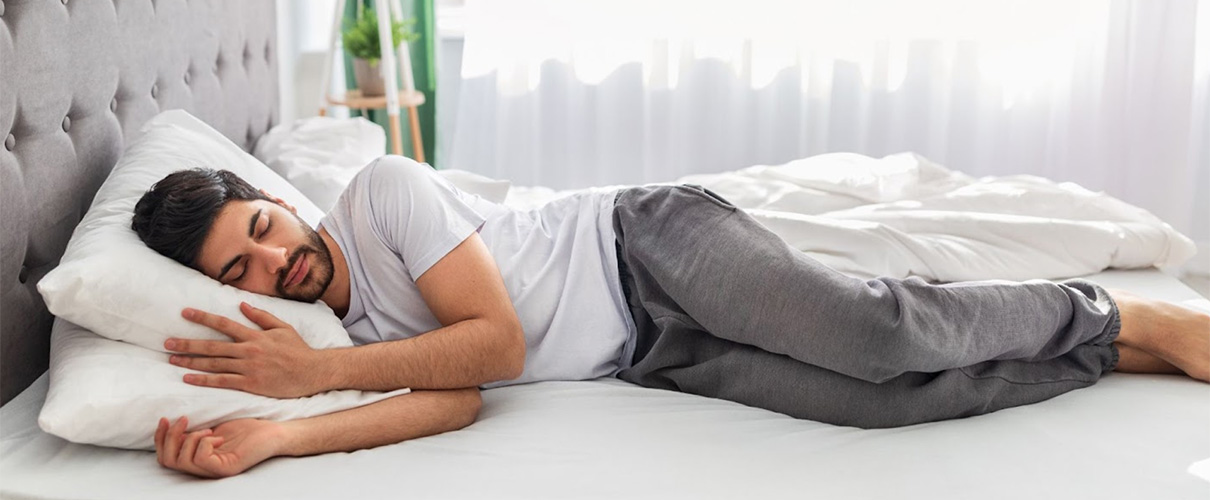
Sleeping on your side with your knees bent is advisable because it can benefit spinal alignment, primarily if you use a supportive pillow and mattress. This can help reduce the risk of waking up with a stiff neck or back.
2. Breathing and Airway Health
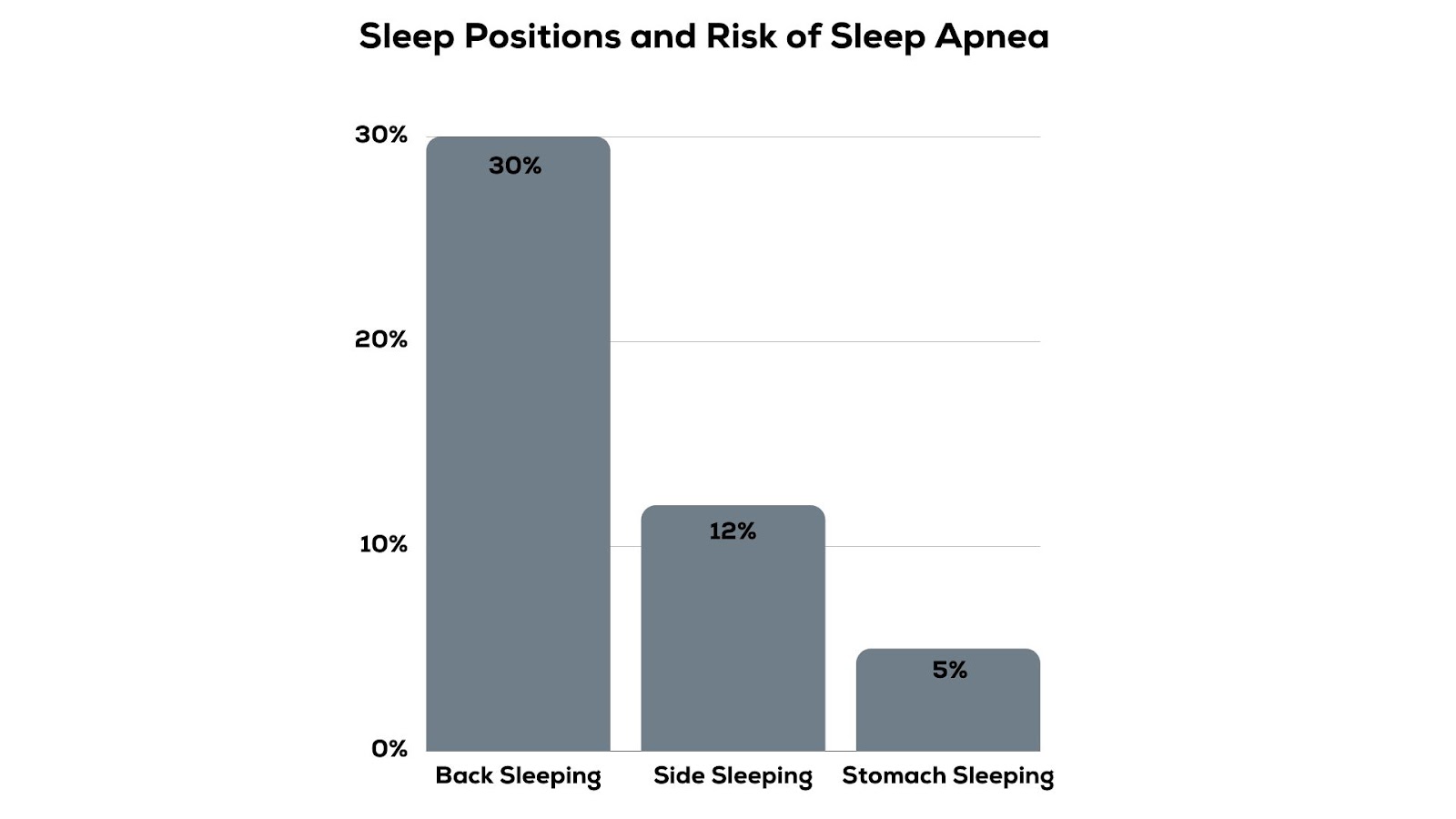
When you have trouble breathing, sleeping on your back may not be the best position for you. This can cause your airway to become blocked or narrowed, which can lead to sleep apnea. This is a condition where breathing stops and starts repeatedly during sleep, otherwise known as snoring.
Sleeping on your stomach also may not be a good option. It can potentially restrict airflow, and make breathing more challenging because your face is on your pillow.
Sleeping on your side, especially on your left, can help maintain open airways and reduce the risk of sleep apnea.
3. Digestive Health
According to a study conducted by Cedars-Sinai's Health Service Research, acid reflux is experienced by nearly a third of U.S. adults on a weekly basis.
If you experience acid reflux, even when you are sleeping, experts recommend sleeping on your left side. This can help prevent the acid from flowing back into the esophagus from your stomach. It is also advisable to sleep on your back. Keeping the esophagus above the abdomen can help prevent acid reflux and heartburn.
4. Skin Health
Sleeping on your stomach or side can lead to the formation of wrinkles over time. This is because there is constant pressure on your face.
To reduce this, you can sleep on your back. You can also use memory foam as a pillow to not move around so much while sleeping. Some experts also suggest using satin or silk pillowcases to help reduce wrinkles and acne from pillows.
5. Pregnancy
It is advisable for pregnant women to sleep on their left side. This enhances blood flow to the fetus, and reduces pressure on major blood vessels. It can also significantly help in alleviating back pain associated with pregnancy.
6. Brain Health
During sleep, the brain takes time to maintain our body. It sends signals to the body to relax and focus on maintenance and repair. It also sends signals to secrete hormones to regulate and balance the body to get you ready for the day when you wake up.
Some research suggests that certain sleep positions may impact the glymphatic system. This system helps clear waste products from the brain during sleep. Sleeping on your side can help this process, potentially contributing to better brain health.
The Potential Downsides of Back Sleeping
Many people have a preconceived notion that sleeping flat on the back naturally aligns the neck, head, and spine. For them, this is the best sleeping position because it’s comfortable and makes it easier for them to fall asleep. However, this supine position has a few notable downsides that you should know.
Back-sleeping can lead to snoring and sleep apnea. This can be dangerous, especially for individuals prone to airway collapse. The tongue and soft tissues fall backward in this position. This can obstruct breathing by closing off the throat.
A good solution is to use adjustable beds to help open the airway. A better solution would be side sleeping because this position improves the flow of the airway.
The carotid artery supplies the brain with ample blood flow to ensure it functions correctly. This artery can be negatively affected by back sleeping because the pull of gravity on the relaxed neck can put excess strain on it. Individuals with cardiovascular issues should be mindful of this.
Pregnant women should also avoid back-sleeping, especially in the third trimester. The weight of the uterus presses on the inferior vena cava when women lie on their back. This restricts blood flow and can potentially reduce the oxygen transfer to the fetus. This can have severe negative impacts on the fetus and its development.
Tips for Making Back Sleeping Healthier and More Comfortable
Even though back sleeping isn't the healthiest sleeping position, some people still prefer it. If it's a matter of preference, and you can't sleep in any other position, here are a few tips to make back sleeping healthier and more comfortable:
1. Use a Supportive Mattress and Pillow
Back sleepers generally benefit from a medium to firm mattress. This helps maintain proper spinal alignment, and supports the natural curves of your back. Preferably, this firmness is consistent in the entire mattress area, and helps to prevent your body from sinking too deeply into the mattress.
Memory foam, latex, and innerspring mattresses can all be suitable for back sleepers.
As for pillows, it is best to get pillows that are made of memory foam, latex, and other synthetic fills. These pillow materials are durable and offer good support for your neck.
2. Elevate Your Head
Elevate the head of your bed slightly. This is where an adjustable bed comes in handy, but it is pretty expensive. A budget-friendly alternative is to use a wedge pillow to elevate your head. Aim for 4-6 inches of elevation to help open up the airway and minimize acid reflux.
3. Use a Pregnancy Pillow
Sleeping on your side when your natural position is lying on your back can be challenging. Pregnancy pillows are designed to help and support your body so you can sleep well while ensuring your baby is safe.
These pillows help to prop you up on one side, when you are used to sleeping on your back. This avoids vena cava compression, making sure your baby gets enough blood flow and oxygen while you sleep.
Evaluating the Pros and Cons of Stomach Sleeping
Some people find sleeping face-down to be the most natural and comfortable position for them. However, this sleeping position comes with mixed reviews from experts.
Stomach sleeping can help keep your airway open. It can help prevent the tongue and soft palate from collapsing and blocking the airway. This is why some experts sometimes suggest this sleeping position for individuals who experience sleep apnea or snoring. It's beneficial not only for the person experiencing sleep apnea symptoms, but also for the people around them.
However, stomach sleeping places a strain on the neck and spine that can lead to pain. How your neck and upper back are positioned all night can lead to muscle tension. The lower back is also rotated inward in this position, which can compress your spinal discs over time.
Stomach sleeping also frequently causes tossing and turning because it's a difficult position to maintain for a prolonged period. Most people shift around multiple times throughout the night to readjust their bodies.
Overall, sleeping face-down on your stomach is not recommended, especially for individuals dealing with back pain issues.
Tips for Making Stomach Sleeping Healthier and More Comfortable
Stomach sleeping is not an ideal sleep position for most people because it can lead to neck and back problems. It can also cause issues with breathing and spinal alignment. Despite this, some people still find this the best sleeping position for them. In these cases, how do we make it healthier and more comfortable? Here are a few tips that you can follow:
1. Use a Thin Pillow or None at All
Stomach sleepers should use a thin pillow to prevent excessive strain on the neck and maintain better spinal alignment. This type of pillow can reduce back arching, putting your spine in a better position. Using a thick or fluffy pillow can overextend the neck.
2. Choose a Firm Mattress
A soft mattress tends to curve around your body when you sink into it. This may not promote good posture while you sleep. A firmer mattress can provide better support and prevent your body from sinking too deep into the bed.
If you can't sleep with a mattress that is too firm, consider getting a soft mattress topper. This should provide some cushioning for your chest and pelvis.
3. Adjust Your Hips and Legs
It is advisable to sleep with one leg bent and the other straight to alleviate rotational stress on the spine. You can also place a pillow under your hips or lower abdomen to help maintain a more neutral spinal alignment and reduce the arch in your lower back. This should help ease tension in those areas.
Examining the Potential Benefits of Side Sleeping
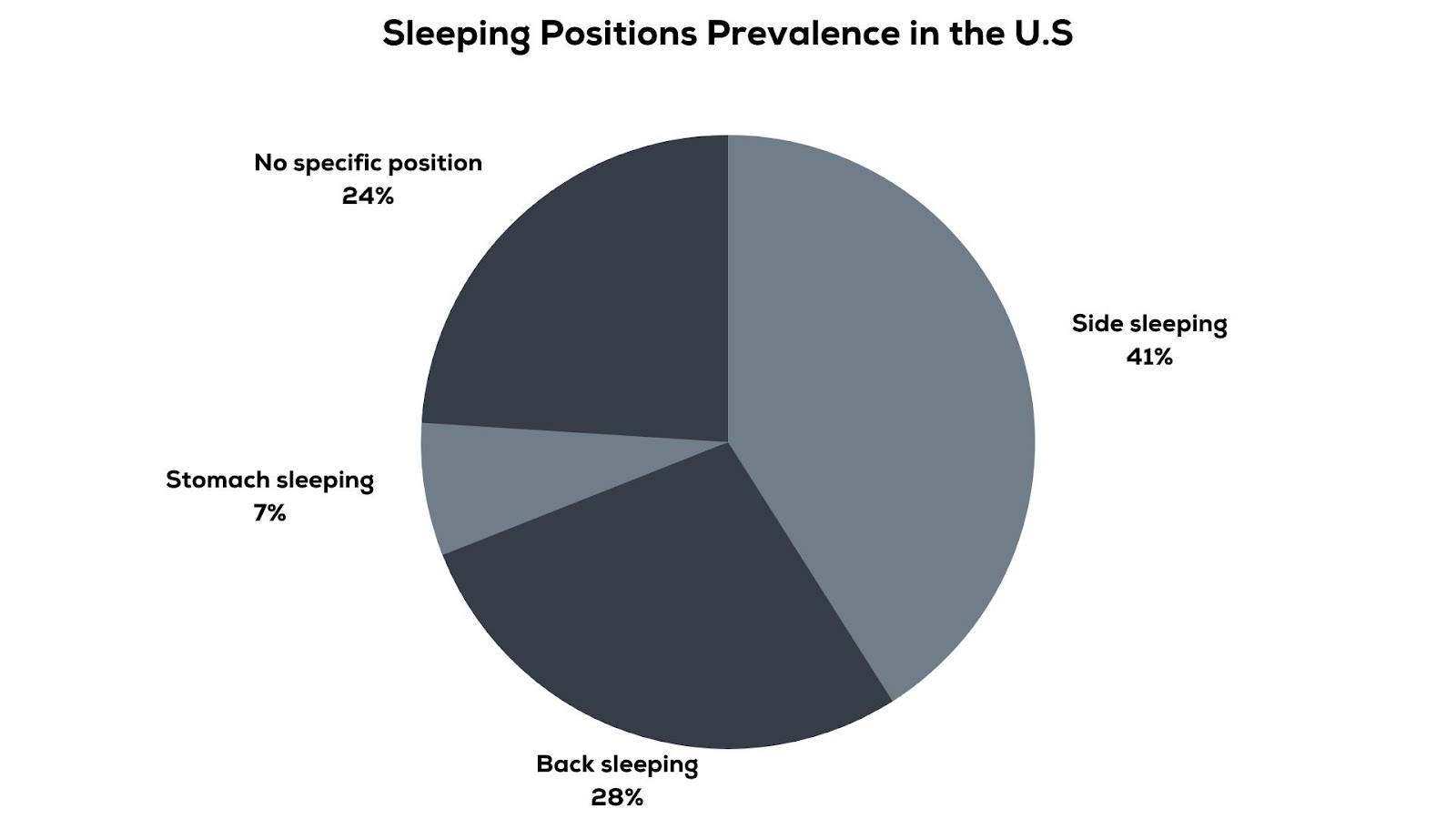
This is also one of the most popular sleeping positions and for a good reason! There are numerous benefits of side sleeping, that's why it's considered the best sleeping position. It offers more advantages over back and stomach sleeping.
This sleeping position helps prevent the tongue from collapsing and causing obstructive breathing, like sleep apnea. It's also an excellent posture for opening up the airway and reducing snoring compared to the previously mentioned two supine positions. For this reason, side sleeping is the top recommended best sleeping position for people with sleep apnea.
It's also great for avoiding acid reflux and heartburn. Sleeping on your side, especially your left side, can help prevent stomach acid from flowing back into the esophagus. It also helps with digestion by allowing for better drainage of stomach contents into the intestines. This is great for individuals who experience stomach discomfort and indigestion.
Additionally, side sleeping is also ideal for pregnant women. The heavy uterus does not press down on the vena cava as opposed to back or stomach sleeping. Sleeping on the left side specifically allows optimal blood flow from the heart to the uterus and takes the pressure off of the liver.
There is also emerging research that suggests that side sleeping is great for the brain. It helps the brain better clear waste, which may help reduce the risk of Alzheimer's and Parkinson's disease. Animal studies show the glymphatic system removes harmful proteins more efficiently when they sleep in lateral positions.
It is important to remember that side sleeping still has its downsides. For example, it can put pressure on the shoulders and the hips, potentially leading to discomfort and pain. It can also put pressure on your arm, making it numb or tingly.
If you're worried about having more wrinkles, side sleeping is not for you. Since your face is constantly pressed against a pillow, it can contribute to the formation of facial wrinkles over time. Additionally, if you tend to not move much while you sleep, you can wake up with sleep lines and creases on your face.
Tips for Making Side Sleeping Healthier and More Comfortable Side sleeping is one of the healthiest and most comfortable sleeping positions when done correctly. Consider the following tips to optimize the benefits of side sleeping, and reduce its potential disadvantages:
Use the Right Pillow
Invest in a supportive pillow designed for side sleepers. It should have medium to high firmness to support the space between your head and shoulder. Consider getting pillows made of materials, like memory foam, latex, or a combination of these.
Support Your Hips and Knees
Side sleeping can put pressure on your knees and hips. To prevent this from happening, place a pillow between your knees to maintain proper alignment, and reduce pressure on the lower back.
Change Sides
Prolonged pressure on your arms when you sleep on your side can lead to numbness, or a tingling sensation. To solve this, change sides occasionally to distribute the pressure more evenly. This also avoids putting too much pressure on one shoulder, or one side of the hip.
Sleep on a Clean Pillowcase
One of the downsides of sleeping on your side is that your face is in constant contact with your pillow. This can cause wrinkles and acne for some people. An excellent way to combat this is to always sleep on a clean pillowcase.
Regularly wash your pillowcases to prevent dirt, oils, and allergens from accumulating. These can significantly impact sleep quality and skin health.
Additionally, consider switching to silk pillowcases. Silk is naturally hypoallergenic, and the smooth texture reduces the friction against your hair and skin. This can prevent hair breakage and tangling, as well as reduce facial wrinkles.
Addressing Neck and Back Pain with Proper Sleep Alignment
Many individuals who suffer from back and neck pain usually have difficulty finding a sleep position that helps with their discomfort. Poor spinal alignment and twisting caused by some postures can worsen these issues. Thankfully, there are solutions to the problems.
It is advisable to sleep on your side with a small pillow between your knees for ideal lumbar and pelvic alignment. Using a medium-firm supportive mattress is also beneficial for maintaining good posture. Placing a rolled-up towel under the neck while lying on your side can help fill the space between your shoulder and head for people with wide upper bodies.
For people who prefer back sleeping, it is advised to lie in a starfish position with legs resting slightly apart and arms out to the sides. This position can help take the tension off of the side.
A contoured cervical pillow with an indentation for the head prevents undesirable bending of the neck. Using a body pillow, placed between the knees and under the head, allows the shoulder, hip, and spine to remain properly supported all night long during side positions.
More Tips for Sleepers in Pain
If you're experiencing back and neck discomfort, this may be due to your sleeping position. Although some find a specific sleeping position to be the most comfortable for them, it may not be the healthiest. This can lead to back and neck pain once you wake up.
Here are a few tips to help sleepers in pain improve their sleep quality:
1. Practice Yoga
Many yoga poses and stretches focus on releasing tension and promoting muscle flexibility. This can be extremely helpful for people who experience muscle tightness and discomfort that interferes with sleep. It can also improve posture and reduce pain in areas, like the lower back and neck, leading to a more comfortable sleep.
2. Maintain a Healthy Weight
Maintaining a healthy weight can have lots of positive impacts on sleep quality. For example, losing weight is a great way to reduce the risk of obstructive sleep apnea. Excess weight can lead to the narrowing or blocking of the upper airway. Maintaining a healthy weight can help alleviate this pressure.
Additionally, a healthy weight is a great way to prevent excessive pressure on the joints and discs of our bones. This can help alleviate back and neck pain when sleeping.
3. Physical Therapy and Exercise
Physical therapy exercises can help greatly to manage and reduce pain caused by musculoskeletal conditions. They can help you identify, manage, and solve spinal alignment problems, which can be why you can't get a good night's sleep.
Exercise can help reduce anxiety and stress, as well as greatly help with weight loss. It also promotes strength and flexibility, which can help with better posture when you sleep.
4. Stay Hydrated
Proper hydration can help reduce the risk of muscle cramps and discomfort during sleep. It can also reduce snoring. Dehydration can lead to the stickiness of the mucous membranes in the throat and nasal passages. This can potentially increase the likelihood of snoring.
5. Consult a Sleep Specialist
If pain continues interfering with your sleep despite trying various strategies, consider consulting a sleep specialist. You may be experiencing symptoms that require medical attention.
A sleep specialist has the proper knowledge and training to identify, manage, and solve your sleeping problems. They can provide tailored advice and recommendations for improving sleep quality and managing pain.
Frequently Asked Questions
Why is back sleeping considered the worst sleeping position?Back sleeping is problematic as the tongue and jaw can fall back into the throat. This can cause an airway blockage, as well as conditions, like sleep apnea. In this position, people tend to snore more loudly.
How does side sleeping benefit pregnant women?Sleeping on the left side, in particular, allows optimal blood circulation between the heart and uterus. This helps transport oxygen and nutrients effectively through the placenta to the growing fetus. Side sleeping prevents the heavy uterus from compressing the inferior vena cava and aorta as it can when pregnant women lie on their backs. Additionally, it takes pressure off vital organs, like the liver.
What is the significance of placing a pillow between the knees while side sleeping?Using a firm pillow between the knees helps maintain proper alignment of the hips, pelvis, and spine during side sleeping. Without a good pillow, the upper knee and hip may drop down. This causes twisting, tension, and pain in joints and the lower back. A pillow between the knees helps keep them and the hips stacked neutrally.
Conclusion
You can choose from multiple sleeping positions, each of which has its own pros and cons. One of the biggest factors influencing which position we sleep in is that certain sleeping positions are more comfortable.
However, we must consider proper body alignment and other health factors when choosing the best sleeping position. If you suffer from sleep apnea or snoring, sleeping on your side is the best way to prevent this. If you suffer from acid reflux or heartburn, sleeping on your back and side are the best positions for you.
Experiment with different postures and devices, like pillows, to help with posture. Be more mindful of which positions cause more body pain, so you can avoid them. With a bit of patience and experimentation, you'll be able to find which is the best sleeping position for you!