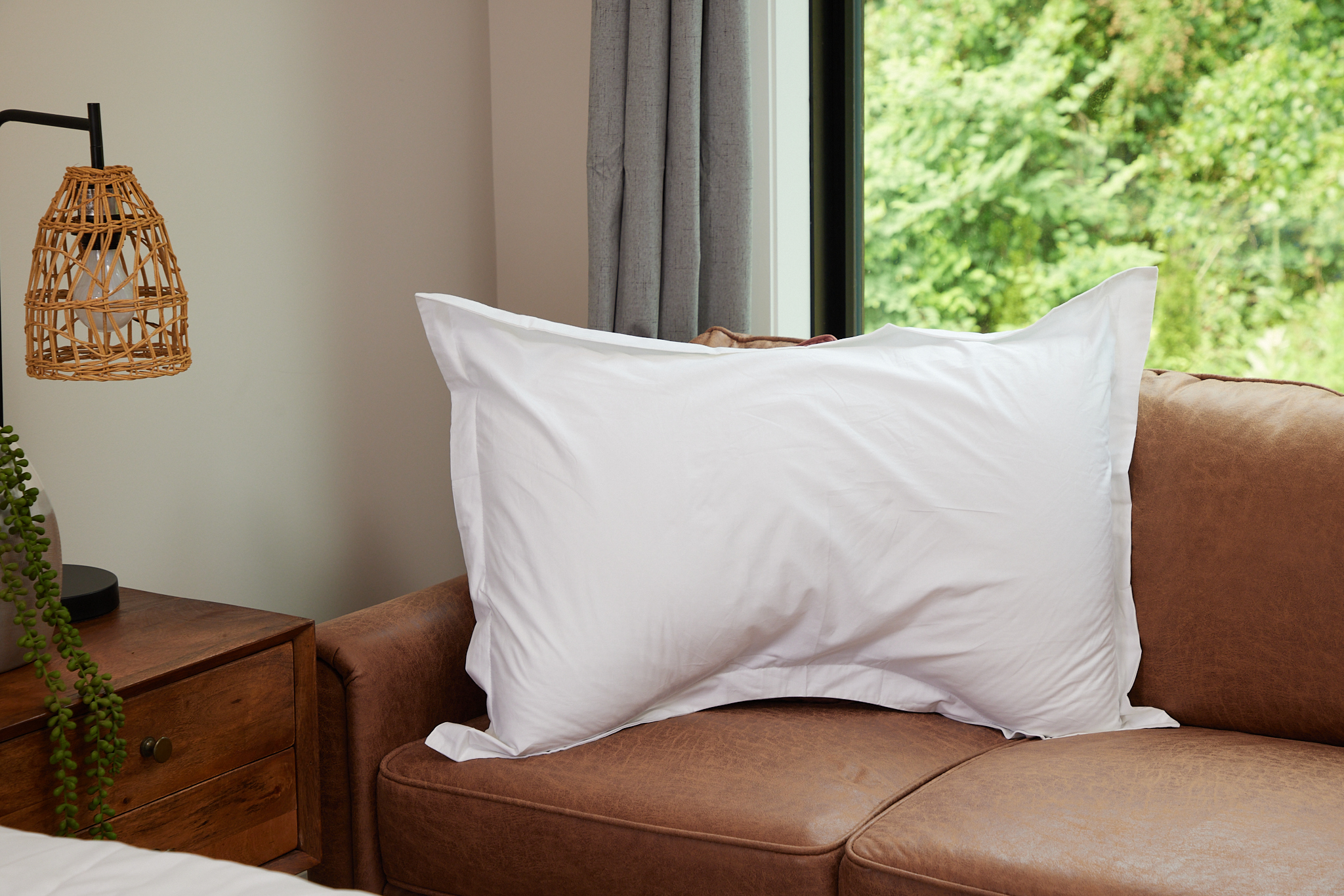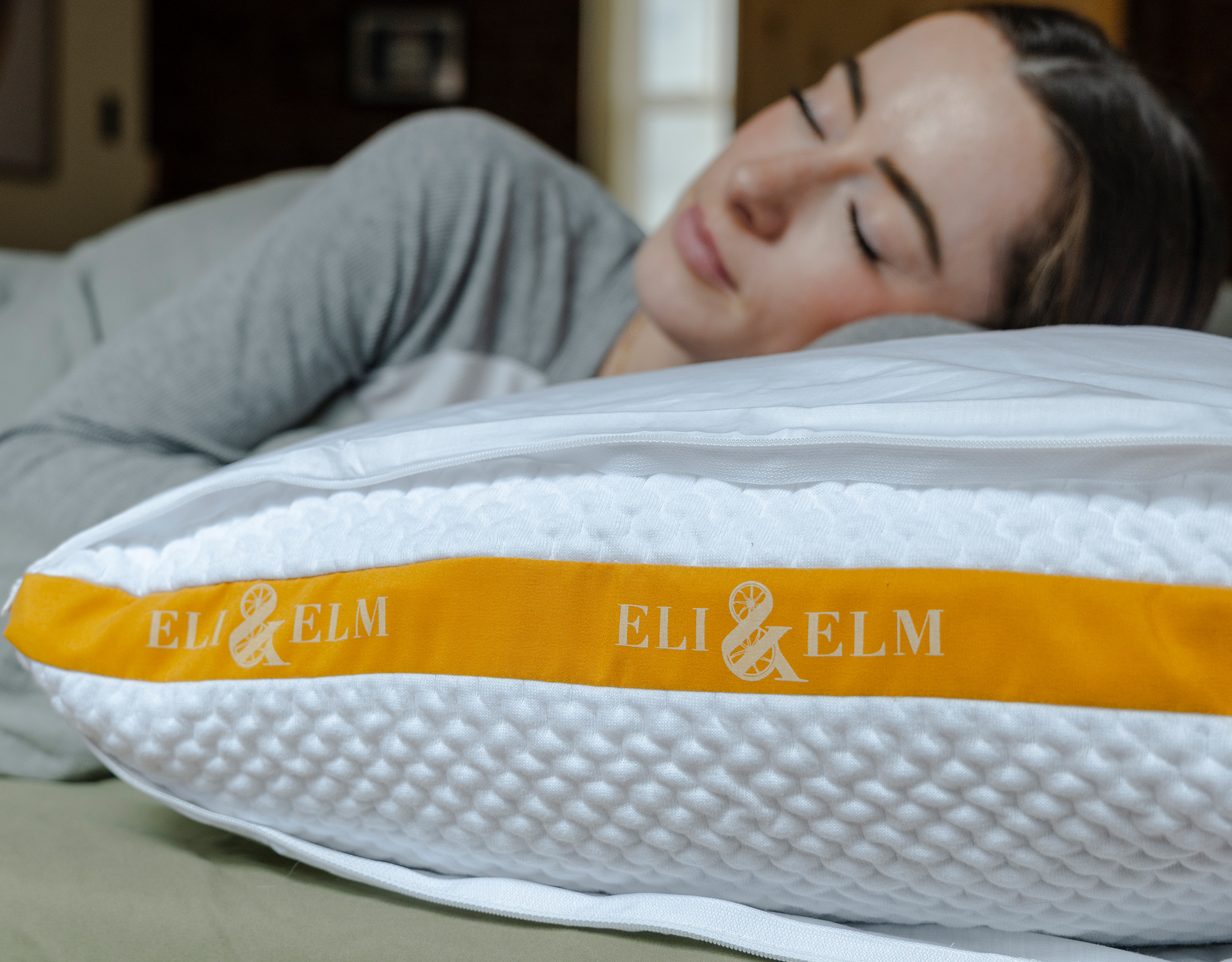


A pillowcase may only seem like an insignificant piece of bedding, but what you sleep on every night does have an effect on your hair, skin, comfort, and even ability to regulate your body temperature.
The National Sleep Foundation says adults spend almost 1/3 of their life sleeping, so making a wise decision about which bedding to use is much more important than many people think.
Pillowcases come in many different fabrics, such as cotton, silk, satin, and linen.
These fabrics all feel and breathe differently; they also last different amounts of time.
Being aware of the differences between these types of pillowcases will enable you to choose a pillowcase that is right for your sleeping habits, level of comfort, and personal preference.
7 Most Popular Pillowcases
| Pillowcase Type | Material | Best For |
|---|---|---|
| Cotton Pillowcase | Natural cotton fibers | Everyday use and hot sleepers |
| Silk Pillowcase | Natural silk fibers | Hair protection and sensitive skin |
| Satin Pillowcase | Satin weave (often polyester) | Hair and skin care on a budget |
| Linen Pillowcase | Flax fibers | Warm climates and natural bedding lovers |
| Bamboo Fabric Pillowcase | Bamboo-derived fibers | Hot sleepers and sustainable bedding |
| Microfiber Pillowcase | Polyester microfibers | Budget-friendly bedding options |
| Flannel Pillowcase | Brushed cotton fibers | Cold climates and winter bedding |
1. Cotton Pillowcase

Cotton pillowcases are one of the most popular types of bedding in the world. Cotton is a naturally occurring, breathable fiber that promotes air circulation and helps control body temperature while you sleep.
Cotton pillowcases are usually cool and comfortable for hot sleepers. Often, these cases are light and can last for several years. Cotton is the most popular option for sleeping on every day because it is very affordable.
Cotton pillowcases are usually breathable, but they come in different types of weaves. Some of the different types of weaving give the fabric different feels and appearances, for example, sateen vs. percale.
Due to their ease of washing, comfort in most climates, and compatibility with a range of bedding styles, cotton pillowcases are widely used.
| Pros | Cons |
|---|---|
| Breathable | Easy-to-wrinkle fabric |
| Soft fabric that feels comfortable | Shrink after being washed |
| Durable and created for day-to-day use | Lower thread counts may produce a rough surface |
| Easy to care for and clean | Not smooth like silk or satin |
2. Silk Pillowcase

Silk is an excellent upgrade to cotton for pillows due to the luxurious, smooth feel of the silk pillowcase and its construction. The silk pillowcase is made from a natural protein fiber produced by silkworms (which gives silk its glossy and smooth finish).
Many people associate silk pillowcases with protecting their hair, reducing skin irritation, and softening their hair because silk pillowcases create very little friction against hair and skin.
Because silk is breathable, light, and has natural temperature-regulating properties, there is no reason why you cannot use a silk pillowcase every day of the year.
| Pros | Cons |
|---|---|
| Extremely smooth surface | More expensive than most fabrics |
| Gentle on hair and skin | Requires delicate washing |
| Naturally breathable | Less durable with frequent washing |
| Luxurious feel | Can be slippery |
3. Satin Pillowcase

Satin pillowcases are known for their luxurious shine and smooth feel. Usually made of synthetic fabrics (such as polyester) instead of silk, when people refer to a “satin” pillowcase, they are actually referring to the weave of the fabric rather than the fiber that makes up the fabric.
Satin pillowcases are considered a reasonably priced alternative to silk pillowcases because they are smooth and help reduce the amount of friction between your skin/hair (and the pillow). For this reason, satin pillowcases are often found in grooming-oriented bedding and have a lightweight and soft feel.
| Pros | Cons |
|---|---|
| Smooth and glossy texture | Less breathable than natural fabrics |
| Affordable alternative to silk | Often made from synthetic fibers |
| Helps reduce hair friction | Can feel slightly warm |
| Lightweight and soft | May trap heat |
4. Linen Pillowcase

Flax is the plant species from which the fibers in linen pillowcases are derived. Linen is commonly acknowledged for its unique texture and durability, as compared with other fibers. Because linen has better breathability and moisture wicking than most other fabrics, it helps to keep the sleeper cool.
Linen pillowcases will last a long time; as they are washed repeatedly, they become softer. The cooling sensation these pillowcases provide make them very desirable in warm-weather regions.
| Pros | Cons |
|---|---|
| Breathable | Feels slightly rough |
| Durable | Prone to wrinkles |
| Moisture-wicking | High-end |
| Gets softer over time | Colors and design are limited |
5. Bamboo Pillowcase

Bamboo fabrics are made from bamboo pulp (wood pulp), which is processed into soft fibers using a chemical method, and these fibers are then used to create bamboo fabric pillowcases. The fabric has a smooth and silky feel, while continuing to remove perspiration from your body during sleep (no wet spots on your pillow when you wake up).
Bamboo fabrics are often promoted as environmentally friendly because they are a very sustainable crop—they have a very moderate to fast growth rate, they only require water, and they have a very low environmental impact due to being able to adapt to many different climates.
Being lightweight and having a high level of breathability, bamboo fabric has become an option for sleeping individuals who prefer to sleep cool.
| Pros | Cons |
|---|---|
| Very soft and smooth | Production process can vary |
| Good moisture control | May be more expensive than cotton |
| Breathable and cooling | Can require gentle washing |
| Often marketed as eco-friendly | Quality differs by brand |
6. Microfiber Pillowcases

Microfiber pillowcases consist of extremely fine polyester fibers that combine to form a tightly woven fabric that is light, durable, and wrinkle-resistant. Because they are inexpensive and simple to take care of, microfiber pillow cases are often used in budget-friendly bedding. Additionally, microfiber pillowcases are environmentally friendly because they are highly stain-resistant and will not wrinkle.
| Pros | Cons |
|---|---|
| Very affordable | Less breathable |
| Wrinkle-resistant | Can trap heat |
| Durable and long-lasting | Synthetic material |
| Easy to wash and maintain | May feel less natural |
7. Flannel Pillowcases

Flannel is made by brushing cotton fibers to create a soft, fuzzy surface. The air that is created through the brushing process becomes trapped in the fabric, which helps keep the fabric warm.
Therefore, flannel is an insulator; pillowcases made from flannel are usually used in cold-weather months. They are extremely cozy, and many people prefer to sleep on them during the winter months.
| Pros | Cons |
|---|---|
| Very warm and cozy | Too warm for summer |
| Soft brushed texture | Can pill over time |
| Comfortable in cold climates | Requires regular washing |
| Durable cotton base | Not as breathable as linen |
How to Pick the Best Pillowcase?
- Consider how you sleep: Breathable materials like cotton or linen might be more comfortable if you frequently feel hot at night.
- Skin & Hair: Silk and satin are usually much smoother fabrics that reduce friction during sleep. If you wake up with creases on your skin and frizzy hair, you may have chosen the wrong pillowcase.
- Climate Appropriate: Are you sleeping in a cold climate? Thicker fabric may make you feel warmer when you sleep, but lighter, breathable fabric makes for exceptional sleep in warm weather.
- Pillowcase Care: Many pillowcases can be washed and used every day, while others need care and a gentler washing machine.
- Comfort vs. Trend: The most comfortable pillowcase to use every night is not necessarily the most fancy one. It could just be the most comfortable for you!

Final Thoughts
The kind of pillowcase you use can have a significant impact on your comfort. Everything is connected, including how your pillowcase absorbs heat while you sleep, its effect on your skin and hair, and its condition after a few months.
Pillowcases made from smoother materials like silk and satin create a smoother surface that reduces friction with your skin and hair, while cotton and linen pillowcases let air circulate freely through them.
All these materials combine attributes like comfort, softness, durability, and maintenance. Having said that, not all pillowcases are ideal to use for every user. The best pillowcase for you depends on your sleep habits, the temperature of where you sleep, your comfort levels, and how much maintenance you want to do.
By understanding how common materials for pillowcases differ from each other, you can choose the right pillowcase for a more comfortable and dependable sleeping environment.