

Selecting a pillow is as important as the way it feels when you lie on it. Many considerations go into choosing the right pillow—such as its measurements, shape, comfort level, and use.
It is equally important how the pillow will affect both your mattress and spine when it comes to proper alignment. Some significant differences between king- and queen-size pillows results in much more than just a few inches of extra fabric or material.
This guide is designed to give you the best size options possible based on a variety of different criteria—whatever will work for your particular sleeping needs. By the end of this blog, you should have enough information to make a well-informed decision.
King vs Queen Pillow Dimensions at a Glance
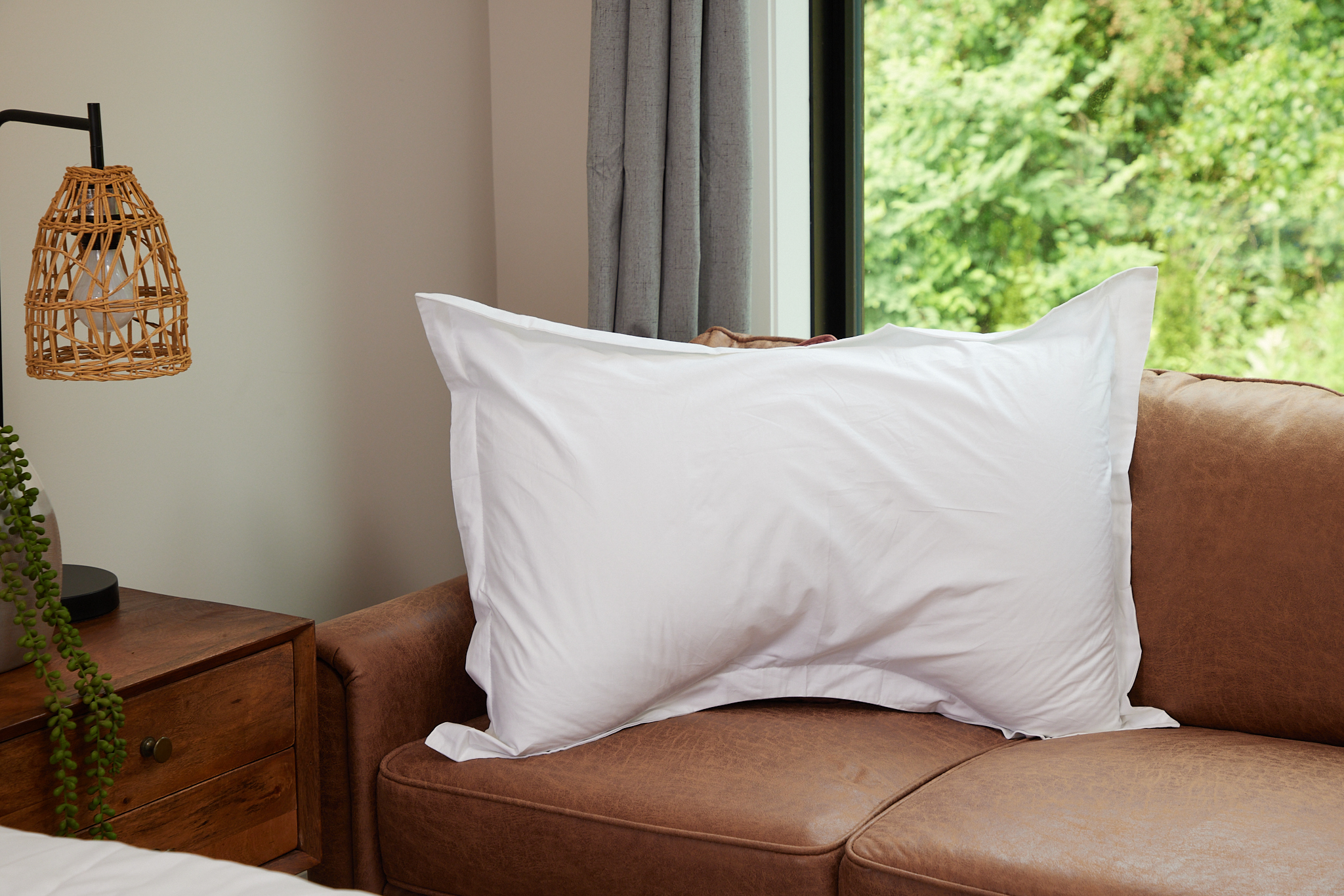
The main distinction is the length of the pillow. Both types are approximately 20 inches wide. However, it is the length of the pillow that makes it appropriate for either a queen or king bed set.
Queen-Size Pillow - 20 inches (51 cm) x 30 inches (76 cm)
King-Size Pillow - 20 inches (51 cm) x 36 inches (91 cm)
A queen-size pillow is four inches longer than a standard-sized pillow, while a king-size pillow is a remarkable ten inches longer than a standard pillow. This added surface area directly affects the way you sleep based on the size of your bed.

Why the Queen Pillow is the Most Popular Choice
The queen pillow was designed specifically for the queen-sized mattress, which is the most common bed size for couples and single adults alike.
Benefits of the Queen Pillow
- Ideal Choice for Restless Sleepers: If your head has been falling off a standard pillow at night, the additional four inches (10 cm) of a queen pillow provides a much larger area. You can rest your head on it and get a more secure sleeping surface.
- Aesthetic Appeal: Placing two queen pillows will cover all 60 inches (152.4 cm) across a queen mattress with no gap. It creates an overly plush and hotel-like appearance.
- Great Value for Luxury: Queen pillows are less expensive than king-sized pillows. They provide more surface area than standard pillows.
- Convenience of Pillowcase Matching: The majority of pillowcases advertised as standard are actually referred to as standard or queen. Therefore, you will not need to search for the information.
When Should You Upgrade to a King Pillow?
King pillows are the heavyweights of the bedding world. Measuring 3 feet in length, they are designed for the expansive width of King and California king mattresses.
Benefits of the King Pillow
- Complete Bedding Protection: Two king-size pillows across the 76" width of a king-size mattress allow for no more "in-between" area on the bed.
- Back Support: Pillows designed like king pillows offer great back support because they're so long. If you spend time reading or working on a laptop while lying in bed, a king-size pillow creates a sturdy, broad base for your spine.
- Side Sleeper-Friendly: With their long length, king pillows also help with side sleeping, providing the ability to "tuck" one side of the pillow under their chin or tuck it between their knees. They create light alignment for their hips without needing to have an entire body pillow.
- Large Frame Compatibility: If you have broad shoulders, a king-sized pillow will provide support for your neck at all angles.
Comparison Table
| Feature | Queen Pillow | King Pillow |
|---|---|---|
| Length | 30 inches | 36 inches |
| Best Bed Match | Queen, Full/Double | King, Cal-King |
| Pillowcase Size | Standard/Queen | King only |
| Price Point | Mid-range | Premium |
| Portability | Easy to travel with | Bulky/heavy |
Which One Fits Your Sleeping Position?
- Back Sleepers: Back sleepers would likely want to sleep on a queen bed. It keeps the head centered without the excess material of a king pillow potentially pushing against the headboard and tilting the neck.
- Side Sleepers: They tend to favor the length of a king-size bed to allow themselves some extra usage of pillows. This allows them to move around with ease on that side of their body.
- Stomach Sleepers: They generally prefer using one or two lower-pile standard or queen-sized pillows. The use of a king-sized pillow under their face typically feels quite heavy. It creates issues with smothering-type feelings when lying face down on any sleeping surface.
How to Layer King and Queen Pillows for a Designer Look
The art of decorating your bed can include creating your own style or mixing different bedding sizes to achieve true creativity. Often, interior designers use both king and queen pillow sizes throughout a client's home to add dimension and layers, creating visual interest.
The "Hotel Stack" Arrangement
- Begin by placing two king-size pillows against your headboard. This will be your base.
- On top of those king-size pillows, put down two queen-size pillows.
- Finally, put on top of the queen-size pillows either two standard-size pillows or two decorative shams.
It will give you a layered look and add height to the bed. You will get a luxurious feeling.
Pillowcase Care
Another common error to make is purchasing a king's pillow and putting that into a standard or queen pillowcase. You compress the fill, making the pillows hard and uncomfortable to sleep on.
Tips for Pillow Maintenance
- Inspect the Loft: King-size pillows typically have higher lofts than most other pillow types because they contain additional fill. It will take longer to dry when machine-dried. Therefore, you should use a low-heat setting and let them air dry to keep the fill from clumping.
- Protectors are Important: Since king-sized pillows represent an investment, always use a waterproof protector or allergen-proof protector.
- Fluffing Frequency: Over time, king-sized pillows tend to become flatter in the center because of their longer size. It is important to vigorously fluff them daily.
Standard vs Queen vs King Pillow
Many people also compare standard pillows with queen and king sizes. While standard pillows are the most common, they may not offer enough room for everyone.
| Standard | 20”×26” | 51 × 66 cm | Twin, Full |
| Queen | 20”×30” | 51×76cm | Queen |
| King | 20”×36” | 51×91 cm | King, Cal-King |

Is a King-Size or Queen-Size Pillow Right for You?
Ultimately, the choice depends on your mattress size and your personal "movement radius" at night.
Choose a Queen Pillow If
- A Queen or full-size bed is present.
- A pillow that fits into a regular-size bedding set is wanted.
- A softer type of pillow that can easily be moved throughout the night is desired.
Choose a King Pillow if:
- You sleep in a California king or king-size bed.
- Your sleeping position is on your back, and you have broad shoulders.
- You sleep while using your bed to read or watch television.
- You are seeking an elegant, luxurious appearance.

Choosing the Right Pillow Material
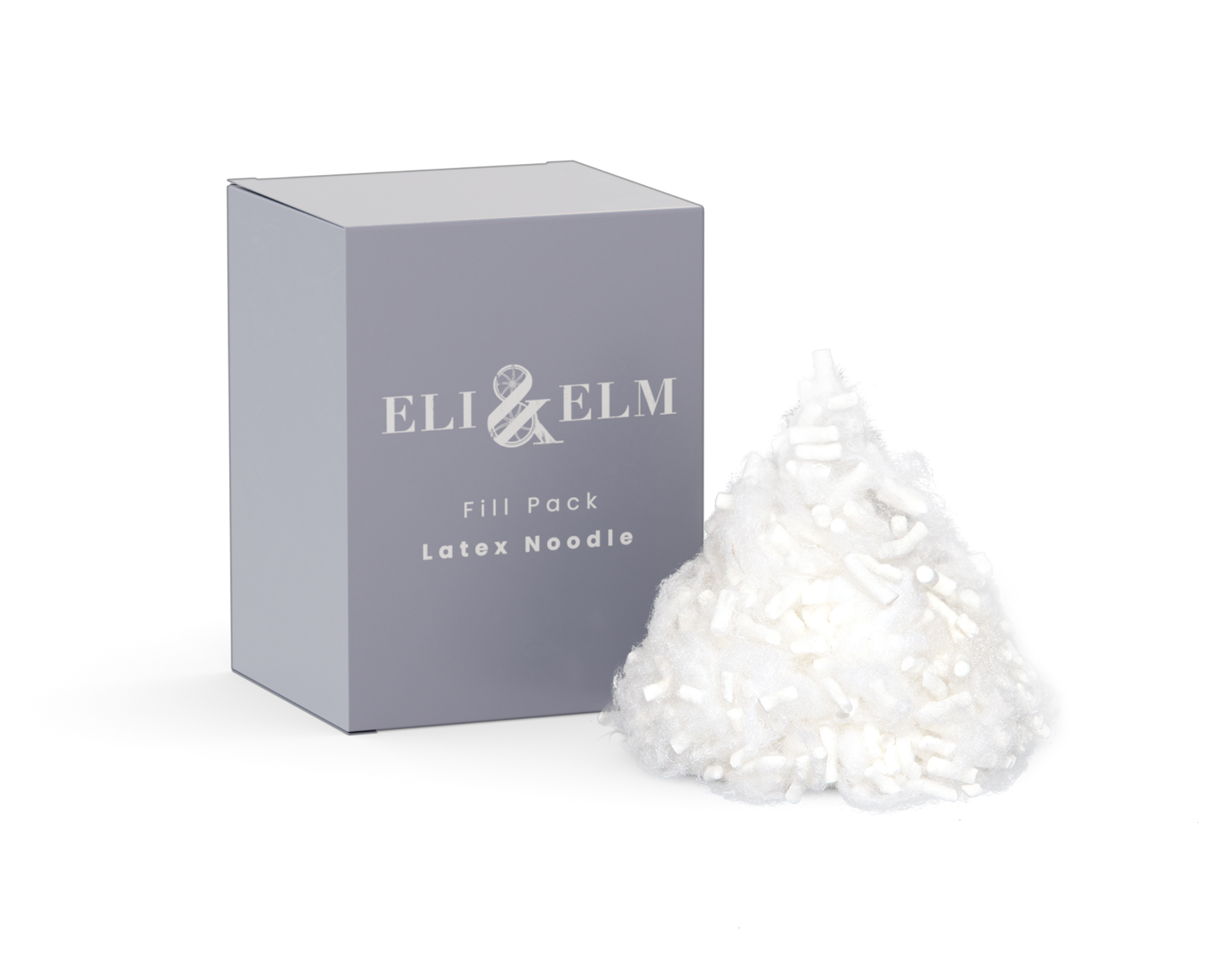
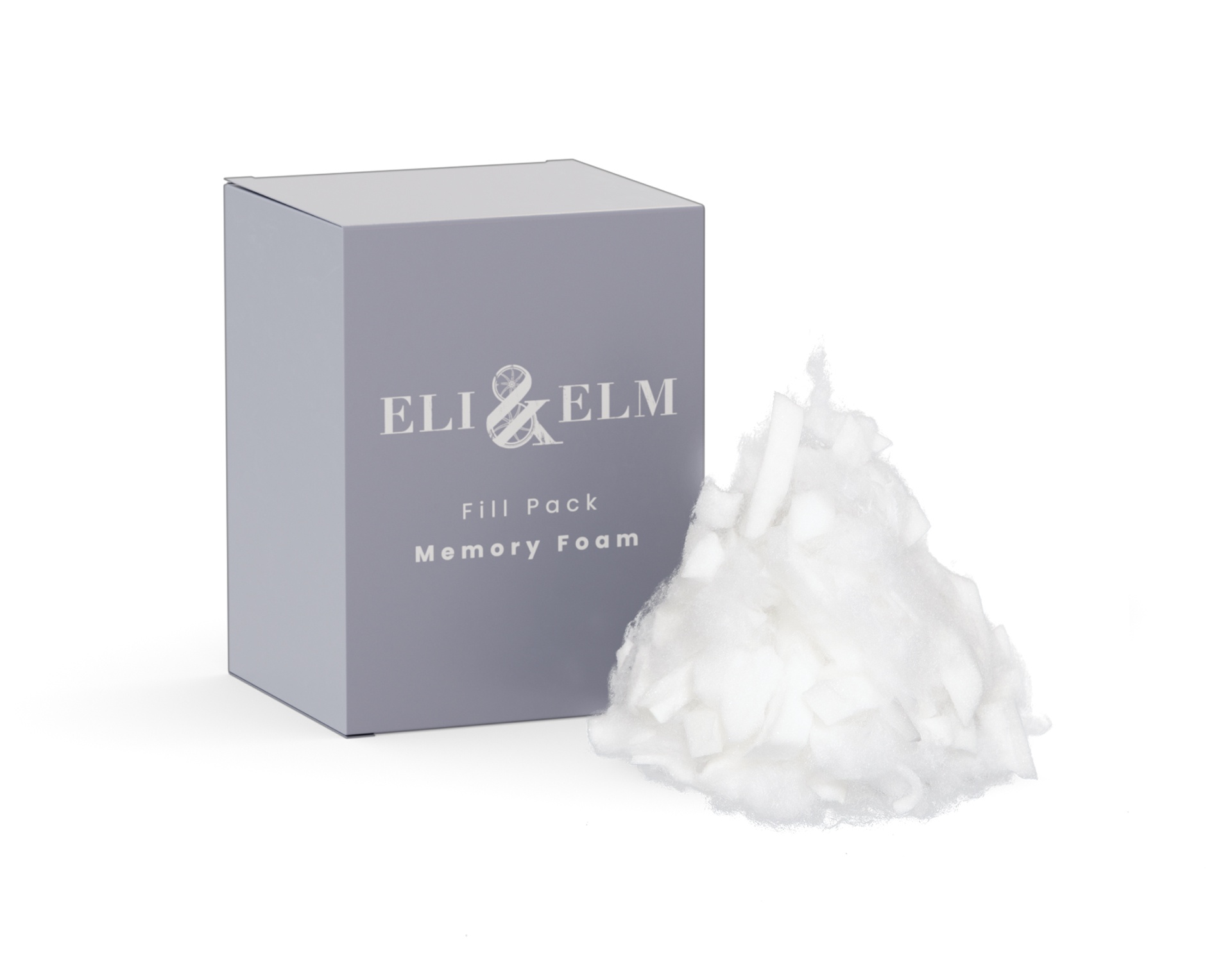
The material used in making your pillow will influence its long-lasting support, although size has an effect as well. You cannot go wrong with a foam pillow, as foam contours your head and neck and keeps pressure points from forming.
If you're a side-sleeper, then you need an appropriately sized side-sleeper pillow to keep your body aligned and supported, and if you are pregnant, a full-bodied, supportive pregnancy pillow for your whole body is essential.
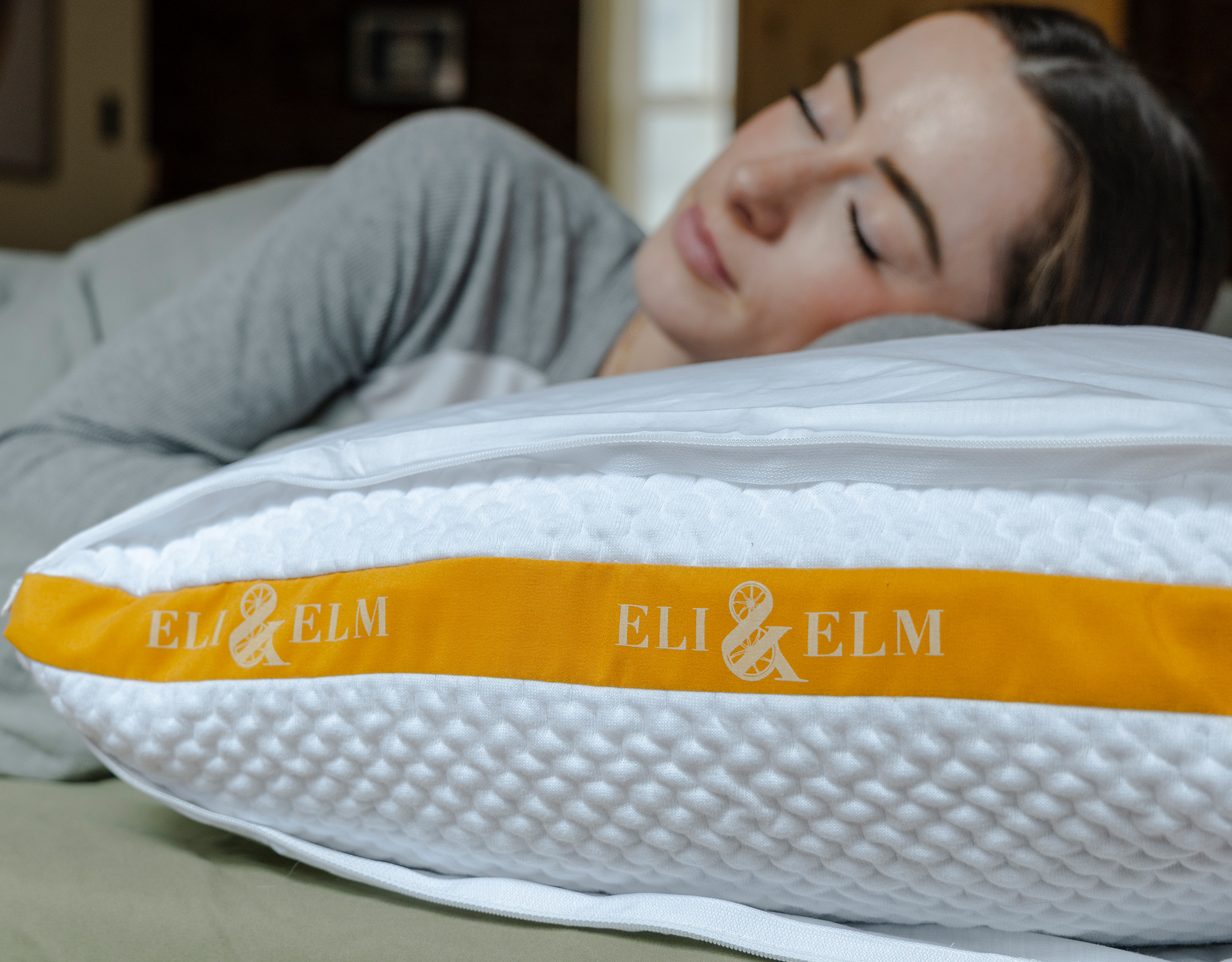
Eli & Elm pillows provide the right size with ergonomic support to ensure that you do not simply sleep, but sleep better.
Common Mistakes to Avoid
Choosing a pillow can seem simple, but small mistakes can affect your sleep quality.
Avoid these:
- Picking size only based on bed, not sleep style
- Using pillows that are too flat or too high
- Choosing low-quality fill that loses shape quickly
- Overloading your bed with too many pillows

Final Thoughts
Investing in the right pillow size is an investment in your health. A small-sized pillow can lead to restless nights and neck strain. Understanding which pillow size fits correctly ensures proper mattress support. It paves the way for receiving a restful night's slumber. Correctly fitting a pillow ultimately helps ensure that you receive quality REM sleep.